Generation Alpha and Artificial Intelligence: The Rise of AI-Native Kids
Generation Alpha is the first generation in history growing up fully immersed in artificial intelligence. By 2025, more than 80 percent of U.S. households are expected to use at least one AI-powered device, from voice assistants to recommendation engines. For children born after 2010, artificial intelligence is not an innovation. It is infrastructure.
They do not remember a world before Alexa answered questions at the dinner table. They never experienced a version of school without algorithmic learning tools. They encounter AI in their toys, their games, their classrooms, and increasingly in their friendships. For Generation Alpha, AI is ambient.
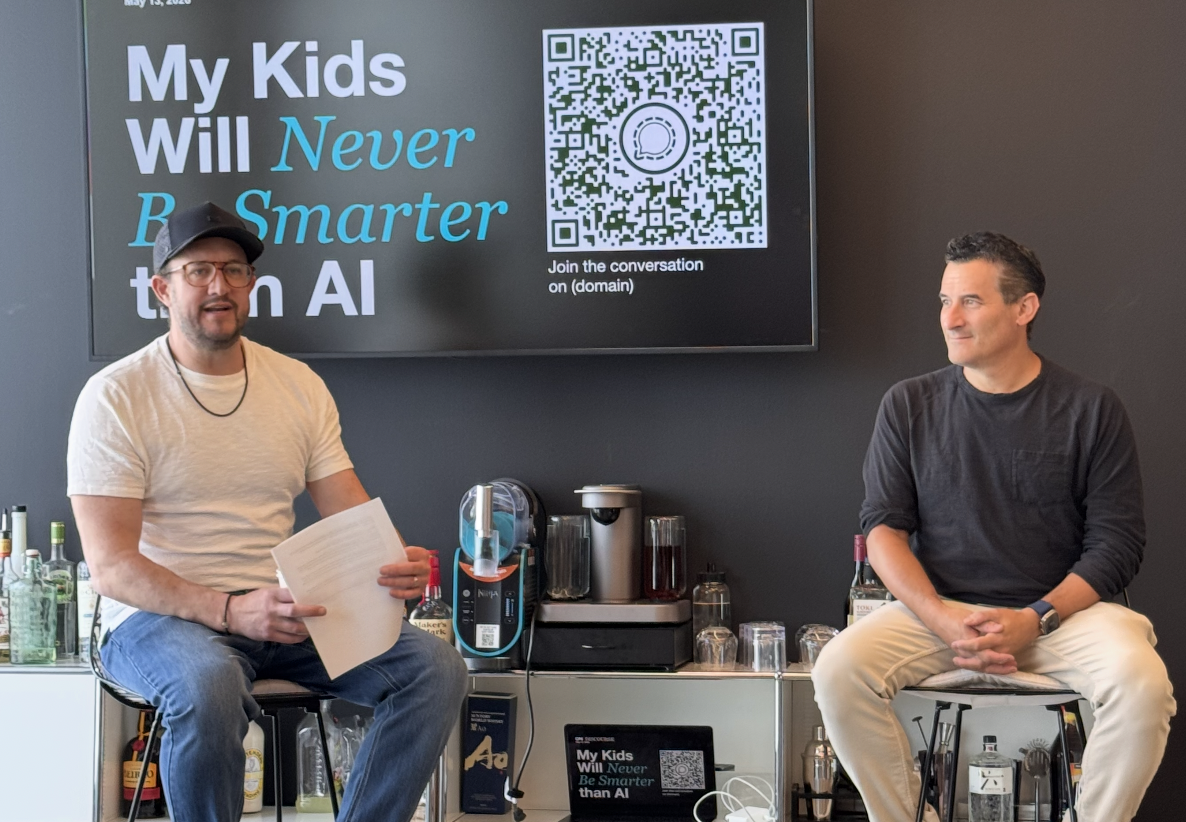
Matt Britton has spent years studying this shift as a futurist, CEO of Suzy, and bestselling author of Generation AI. In more than 500 keynotes delivered globally, he has warned business leaders and parents alike that the rise of AI-native kids will redefine education, work, relationships, and culture. His recent television appearance in Portland reinforced a core message: artificial intelligence is now the operating system of childhood.
The implications are profound. Parents are navigating uncharted territory. Educators are rewriting curricula in real time. CEOs are recalibrating hiring strategies for a workforce that has not yet graduated middle school. The rise of Generation Alpha demands a new playbook.
What follows is a strategic look at how artificial intelligence is reshaping childhood, how digital relationships are evolving, and what leaders must do now to prepare for an AI-native future.
Generation Alpha and Artificial Intelligence: Defining AI-Native Kids
Generation Alpha is defined by total immersion in artificial intelligence from birth. Unlike Millennials or Gen Z, who adapted to emerging technologies, Generation Alpha begins with AI as a baseline expectation.
A 2024 Common Sense Media report found that over 60 percent of children under 12 interact with AI-driven platforms daily, whether through YouTube recommendations, adaptive learning apps, or smart home devices. Many of them are already experimenting with generative AI tools for homework and creative projects. Prompting an AI model feels as intuitive as typing into a search bar once did.
The behavioral shift is measurable. Google searches among younger users are declining in favor of conversational AI queries. Children increasingly ask devices for explanations, summaries, and emotional guidance. The device becomes the first responder.
Matt Britton argues in Generation AI that this early fluency will produce a generation that sees AI as a collaborator. They will not treat artificial intelligence as a novelty. They will expect it to augment their thinking. That expectation will shape how they learn, work, and innovate.
Yet fluency does not equal discernment. AI systems reflect the data they are trained on. They can hallucinate facts. They can reinforce bias. Without guidance, AI-native kids may accept algorithmic outputs as authoritative.
Digital literacy now requires prompt literacy. Children must learn how to frame questions, evaluate outputs, and understand the limitations of machine-generated responses. Schools that embed AI education into core curricula are already seeing improved critical thinking and creativity outcomes, according to early pilot programs in states like California and Texas.
Artificial intelligence will be foundational to Generation Alpha’s worldview. The adults guiding them must ensure that foundation is stable.
AI and Digital Relationships: Emotional Bonds in a Machine Age
AI-native kids are forming emotional connections with machines. That statement is no longer speculative. It is observable.
In 2023, a global survey by Tidio found that nearly 40 percent of Gen Z respondents felt comfortable discussing personal issues with an AI chatbot. For Generation Alpha, that comfort level is likely to increase as conversational AI becomes more humanlike. Chatbots now remember prior interactions, mirror tone, and simulate empathy with increasing sophistication.
Children name their digital assistants. They thank them. They confide in them. Some prefer them. The 2013 film Her envisioned this dynamic. Reality is catching up.
AI-powered companions offer several advantages. They are available 24 hours a day. They respond without judgment. They adapt to user preferences over time. For children who feel isolated or anxious, that consistency can provide reassurance.
The risks are equally significant. AI does not possess consciousness, moral reasoning, or genuine empathy. It predicts responses based on patterns in data. If a child relies on a chatbot for emotional validation, the relationship lacks the reciprocal growth that human bonds provide.
Matt Britton has spoken frequently on The Speed of Culture podcast about the cultural ramifications of synthetic relationships. He notes that businesses are racing to create more engaging AI personas, from branded companions to virtual influencers. Generation Alpha will grow up interacting with digital entities that blur the line between tool and friend.
Parents and educators must address this head-on. Conversations about AI should include discussions of emotional boundaries. Children need to understand that AI can simulate empathy without experiencing it. They should learn to differentiate between functional support and authentic human connection.
The future of relationships will include AI. The challenge is ensuring that human bonds remain primary.
Parenting in the AI Age: Digital Literacy as Core Curriculum
Parenting in the AI age requires active engagement, not avoidance. Artificial intelligence is embedded in entertainment, education, healthcare, and communication. Restriction alone cannot prepare children for an AI-driven world.
A 2024 Pew Research study found that 70 percent of parents express concern about AI’s impact on their children’s development, yet fewer than 30 percent report having detailed conversations about how AI systems work. The knowledge gap is wide.
Matt Britton advises parents to treat AI literacy like financial literacy. Start early. Build incrementally. Encourage curiosity. Children should experiment with AI tools under supervision.
They should see how prompts influence outcomes. They should analyze where the system succeeds and where it fails.
Schools are beginning to respond. Districts across the United States are incorporating AI modules into STEM programs. Some are teaching students how to build simple machine learning models. Others focus on ethics, bias, and data privacy. These programs foster agency rather than fear.
Parents play a parallel role at home. Establish screen-free zones. Encourage offline friendships and physical activity. Discuss the data trail that AI systems collect. Explain that convenience often comes at the cost of privacy.
The workforce implications are immediate. Companies are automating repetitive tasks across marketing, finance, and operations. Children who understand how to collaborate with AI will have a competitive advantage. Those who rely passively on automated outputs will struggle.
Britton’s own experience as CEO of Suzy, an AI-powered consumer intelligence platform, reinforces the point. He has seen firsthand how AI can amplify productivity when paired with human judgment. The same principle applies to children learning algebra or writing essays.
Artificial intelligence should be positioned as a tool. A powerful one. Mastery requires oversight, ethics, and balance.
AI-Powered Therapy and Mental Health: Promise and Peril
AI-powered therapy apps are expanding access to mental health support. Platforms such as Woebot and Wysa report millions of users globally, offering cognitive behavioral techniques through chat-based interfaces. For young people facing anxiety or depression, immediate access matters.
The CDC reports that nearly 40 percent of high school students experienced persistent feelings of sadness or hopelessness in recent years. Demand for mental health services exceeds supply in many regions. AI tools can bridge part of that gap.
These systems provide anonymity. They operate without scheduling constraints. They can guide users through structured exercises that have clinical backing. Early studies suggest that AI-based interventions can reduce mild to moderate symptoms of anxiety.
Yet the limitations are structural. AI lacks the capacity for genuine empathy and complex moral reasoning. It cannot interpret subtle cues in tone or body language. It cannot intervene physically in a crisis. Overreliance could delay professional care.
Generation Alpha will likely view AI therapy as normal. That normalization requires guardrails. Parents should vet apps carefully. Schools should integrate AI tools with human counselors rather than replacing them. Policymakers should enforce transparency around data storage and usage.
Matt Britton has emphasized in public forums that AI-powered therapy represents augmentation, not substitution. Human therapists bring lived experience and nuanced understanding. AI can support, triage, and scale. The distinction matters.
Mental health support for AI-native kids must combine technology with trusted adults. Neither alone is sufficient.
Preparing Generation Alpha for the Future of Work with AI
Generation Alpha will enter a workforce transformed by artificial intelligence. The World Economic Forum estimates that 44 percent of core workplace skills will change by 2030 due to automation and AI adoption. Routine cognitive tasks are increasingly delegated to machines.
The skills that endure are human-centered. Creativity. Critical thinking. Emotional intelligence. Adaptability. The ability to ask better questions.
AI-native kids have an advantage. They will not fear collaboration with machines. They will expect it. Early exposure to generative tools can accelerate experimentation and innovation.
A middle school student can now prototype an app, design marketing assets, and analyze survey data with AI assistance.
Matt Britton often demonstrates this potential in his keynotes at Speaker HQ events. He showcases how young entrepreneurs are using AI to launch businesses before graduating high school. The barrier to entry is shrinking.
Preparation requires intentionality. Encourage project-based learning. Teach coding and data literacy alongside humanities. Foster debate about ethics and algorithmic bias. Promote teamwork that blends human strengths with AI outputs.
Britton’s own experimentation with AI, including building a personal health bot that analyzes decades of medical data, illustrates the upside of proactive engagement. Individuals who understand their data and leverage AI strategically can unlock measurable gains in productivity and well-being.
The future of work will reward those who direct AI effectively. Generation Alpha must learn to lead machines, not follow them.
Key Takeaways for Business Leaders
- Invest in AI literacy early. Partner with schools and community programs to support curricula that teach prompt engineering, critical evaluation, and ethical AI use. A workforce fluent in artificial intelligence starts with foundational education.
- Design products for AI-native expectations. Generation Alpha will expect personalization, immediacy, and conversational interfaces. Build experiences that integrate AI seamlessly while maintaining transparency about data use.
- Prioritize human differentiation. Automation will handle routine tasks. Train teams to excel in creativity, empathy, and strategic judgment. Reinforce skills that machines cannot replicate.
- Establish ethical guardrails. Implement clear policies around data privacy, algorithmic bias, and AI oversight. Consumers, especially younger ones, will reward brands that demonstrate responsibility.
- Engage expert guidance. Leaders seeking deeper insight into Generation Alpha and artificial intelligence can explore resources through Speaker HQ, read Generation AI, or connect directly to contact his team for strategic advisory support.
Frequently Asked Questions
How is Generation Alpha different from Gen Z in terms of artificial intelligence?
Generation Alpha has never experienced life without embedded artificial intelligence. Gen Z adapted to smartphones and social media during adolescence. Generation Alpha encounters AI from infancy through voice assistants, adaptive learning tools, and generative platforms, shaping cognitive and social development at earlier stages.
Is AI safe for children to use?
Artificial intelligence can be safe for children when used with supervision and clear boundaries. Risks include misinformation, data privacy concerns, and emotional overreliance. Parents and educators should vet platforms, discuss how AI systems work, and encourage balanced offline activities.
Will AI replace jobs for Generation Alpha?
AI will automate many routine tasks, yet it will also create new roles requiring human creativity and oversight. Research from the World Economic Forum indicates significant skill shifts rather than wholesale job elimination. Generation Alpha’s success will depend on adaptability and AI collaboration skills.
How can parents prepare kids for an AI-driven future?
Parents can prepare children by fostering digital literacy, critical thinking, and ethical awareness around artificial intelligence. Encourage experimentation with AI tools, discuss their limitations, and prioritize strong human relationships. Balanced exposure builds competence and resilience.
The Path Ahead for Generation Alpha and Artificial Intelligence
Generation Alpha stands at the intersection of childhood and code. Artificial intelligence will shape how they learn, connect, and build careers. The responsibility falls on today’s leaders to guide that integration with foresight.
Matt Britton continues to explore these themes through Generation AI, his keynote presentations at Speaker HQ, and conversations on The Speed of Culture podcast. As CEO of Suzy, he sees daily how AI is transforming consumer behavior and business strategy. The same transformation is unfolding in homes and classrooms.
Parents, educators, and executives who engage now will influence how AI-native kids mature into AI-literate adults. Those who hesitate risk irrelevance.
To explore speaking engagements, access research, or connect directly, contact his team and join the dialogue shaping the next generation.
Related Posts
Netflix's Tentpole Playbook: Why Owning Sports Moments Beats Owning Full Seasons

When AI Becomes the Default Teacher: A Reckoning for Parents and Business Leaders

The $2 Billion Permission Slip: What PepsiCo's Poppi Success Reveals About Buying Culture