AI Marketing Trends 2026: What Leaders Must Know
Artificial intelligence now influences more than 70 percent of enterprise marketing decisions, according to recent industry surveys. Budgets reflect that shift. CMOs are allocating double digit increases to AI driven tools while trimming traditional media spend. AI marketing trends 2026 are no longer experimental pilots tucked inside innovation labs. They are core infrastructure.
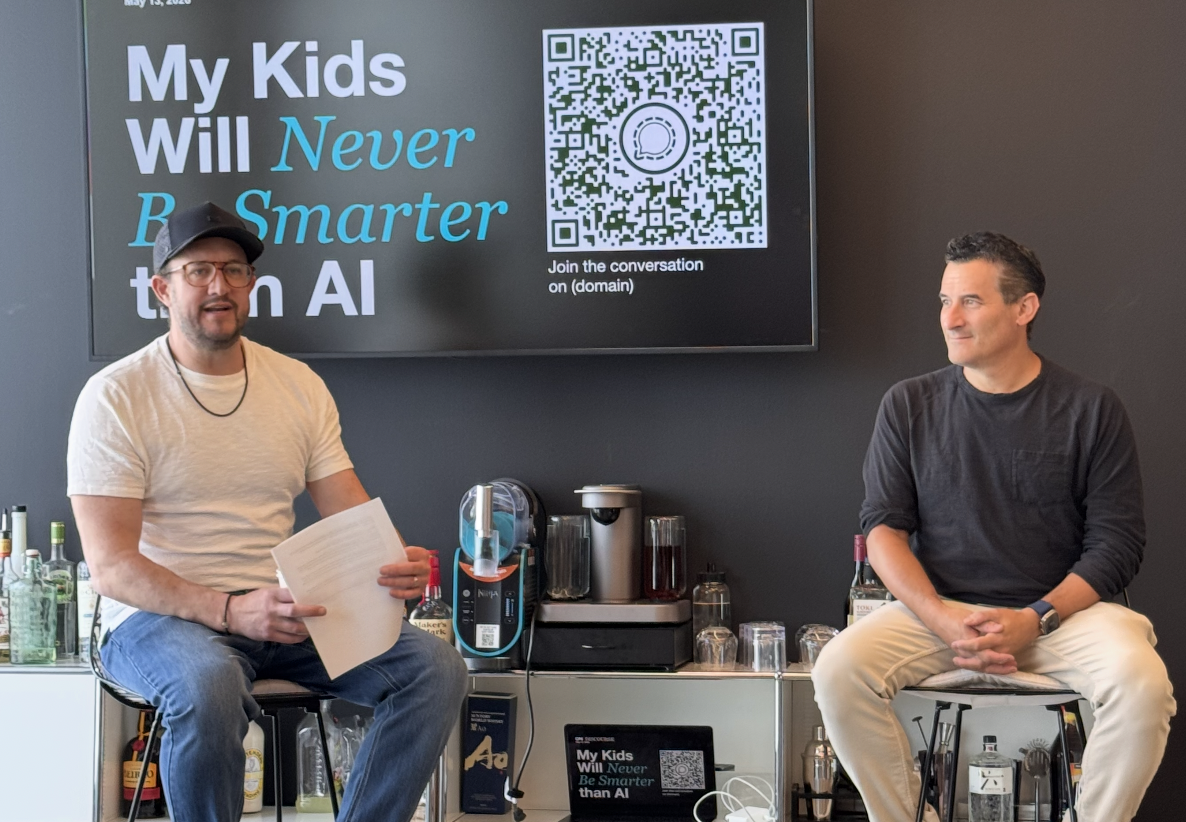
Matt Britton has spent more than two decades advising Fortune 500 brands on marketing transformation. As CEO of Suzy and author of Generation AI, he has tracked every major inflection point from the rise of social media to the mobile commerce boom. He argues that 2026 marks the most profound reset in marketing since the birth of digital advertising. The brands that operationalize AI across acquisition, retention, and product development will compound advantage. The rest will compete on shrinking margins.
Consumers already expect intelligent experiences. Over 60 percent say they are more likely to purchase from brands that personalize interactions in real time. Nearly half are comfortable engaging with AI assistants if the experience feels helpful and transparent. That behavioral shift changes everything. Marketing is evolving from campaign based persuasion to always on intelligence.
The AI marketing trends 2026 leaders embrace share a common thread. They prioritize relationship depth over reach, predictive insight over reactive reporting, and integrated systems over siloed tools. The result is a new operating model for growth. One built on data, speed, and human creativity amplified by machines.
Conversational AI Marketing in 2026
Conversational AI is now a primary growth channel. In 2026, advanced conversational systems manage everything from first touch engagement to post purchase support, often across weeks or months of dialogue.
These systems bear little resemblance to the scripted chatbots of the early 2020s. Today’s platforms process context across multiple sessions, recognize sentiment, and adapt tone dynamically. A consumer researching a financial product may begin with broad educational questions, return days later with comparison queries, and finalize a decision after receiving personalized projections. The AI remembers each interaction. It builds continuity.
Brands deploying conversational AI report measurable gains. Some retail and financial services companies cite conversion rate increases of 20 to 30 percent when prospects engage in guided dialogue rather than static web navigation. Engagement time often doubles. The conversation becomes the funnel.
Britton frequently highlights conversational AI in keynote presentations through Speaker HQ, emphasizing its strategic impact. He notes that the most effective brands treat AI agents as brand ambassadors trained in voice, values, and domain expertise. Emotional intelligence modules enable systems to adjust language for a Gen Z shopper versus a retiring executive. Cultural nuance is embedded into responses across markets.
Measurement frameworks have evolved as well. Leaders track conversation depth, repeat engagement, assisted revenue, and satisfaction scores. Relationship quality becomes a core KPI. Integration is critical. Conversational data feeds CRM systems, email automation, social listening tools, and customer service platforms. The experience feels unified rather than fragmented.
For organizations, the mandate is clear. Conversational AI must be designed as a long term relationship engine. Not a cost cutting widget.
Predictive Consumer Intelligence and Behavior Forecasting
Predictive intelligence now shapes strategy before campaigns launch. AI systems in 2026 synthesize behavioral, transactional, and contextual data to anticipate consumer needs with striking precision.
Modern predictive models ingest search intent, purchase history, loyalty data, geolocation patterns, economic indicators, and even weather forecasts. A grocery chain can anticipate regional spikes in demand based on climate projections. A travel brand can identify which customers are most likely to book international trips within the next 60 days based on browsing signals and calendar data.
The performance gains are tangible. McKinsey estimates that companies using advanced predictive analytics in marketing can improve ROI by 15 to 20 percent. Inventory efficiency improves as well. Forecast accuracy reduces waste and markdowns.
Privacy remains central. Consumers demand transparency and control over personal data. The most sophisticated brands use aggregated and consent driven datasets while clearly communicating how predictions enhance customer value. Britton often underscores this balance on The Speed of Culture podcast, arguing that trust capital now rivals brand equity.
Real time adaptability distinguishes leaders. Campaigns are no longer static. If predictive models detect declining engagement within a segment, creative assets and offers adjust automatically. Budget reallocates across channels in minutes rather than weeks. Human oversight remains essential. Data scientists and marketers validate outputs, challenge anomalies, and inject cultural insight.
At Suzy, Britton’s consumer intelligence platform, real time insights feed predictive models that guide product positioning and messaging. The loop between consumer feedback and marketing activation tightens. Strategy becomes iterative.
Predictive consumer intelligence in 2026 is both microscope and telescope. It clarifies individual intent and forecasts macro trends. Brands that institutionalize this capability operate with foresight rather than hindsight.
Hyper Personalization at Scale With AI
Hyper personalization is operational reality. AI enables individually tailored experiences for millions of consumers simultaneously, without sacrificing efficiency.
Email campaigns once segmented audiences into broad categories. Now, AI engines generate unique subject lines, imagery, offers, and send times for each recipient. A streaming service can curate homepage layouts based on viewing history, time of day, and device type. An apparel retailer can adjust product recommendations and pricing incentives according to browsing depth and loyalty status.
Dynamic creative optimization sits at the center. Machine learning systems test thousands of variations across headlines, visuals, calls to action, and formats. Underperforming combinations are discarded in real time. High performing elements scale instantly. Some enterprise advertisers report double digit lifts in click through and conversion rates through automated creative testing.
Customer journey orchestration has evolved as well. Rather than pushing users through fixed funnels, AI maps individualized paths. A first time visitor may receive educational content and social proof. A repeat visitor may see urgency driven offers. The journey adapts continuously.
The infrastructure behind hyper personalization is complex. Unified data layers, identity resolution tools, and real time decision engines must operate seamlessly. Governance frameworks ensure compliance with privacy regulations. Measurement models attribute incremental lift to specific personalization variables.
Britton explores this shift extensively in Generation AI, highlighting how younger consumers expect brands to anticipate needs intuitively. Personalization feels normal to them. Generic messaging feels outdated.
Scale no longer limits relevance. AI compresses the trade off between reach and customization. The result is marketing that feels individually crafted yet globally deployed.
AI Powered Content Creation and Optimization
AI content systems now function as creative accelerators. They generate, refine, and distribute content across formats at speed while maintaining brand integrity.
Text generation has matured significantly. Marketers use AI to draft blog posts, product descriptions, ad copy, and scripts that human editors then elevate. Multimedia capabilities have expanded. AI can produce short form videos, interactive graphics, and voiceovers tailored to platform specifications. Content velocity increases without linear headcount growth.
Optimization operates continuously. Algorithms analyze engagement metrics, dwell time, scroll depth, and conversion data to recommend adjustments. Headlines shift. Visuals refresh. Calls to action evolve. Search performance improves as AI aligns content with emerging queries, strengthening SEO and AEO outcomes.
Distribution is equally intelligent. Systems determine optimal posting times, channel mix, and audience targeting based on historical behavior. A B2B whitepaper may be promoted heavily on LinkedIn during weekday mornings. A lifestyle video may gain traction on TikTok during evening hours. Automation removes guesswork.
Quality control safeguards brand standards. Advanced models check tone consistency, factual accuracy, and regulatory compliance before publication. Human teams remain accountable for strategic direction and storytelling depth. The collaboration produces stronger output.
Britton often advises executives to rethink talent models. AI handles executional volume. Human teams focus on insight, originality, and brand vision. Companies that resist this integration risk falling behind competitors who produce more relevant content at greater speed.
AI powered content creation in 2026 drives measurable impact. HubSpot reports that marketers leveraging AI tools see productivity gains of up to 40 percent. Efficiency translates into experimentation. More ideas reach market. Winners scale quickly.
Visual AI and Immersive Marketing Experiences
Visual AI is redefining how brands engage attention. Advanced image generation and immersive technologies enable customized visual storytelling at scale.
AI generated imagery now achieves photorealistic quality suitable for major campaigns. Brands create bespoke visuals aligned precisely with messaging and audience preferences. Stock photography dependence declines. Creative differentiation rises.
Augmented reality experiences are expanding across retail, beauty, automotive, and home categories. Consumers can visualize furniture in living rooms, test makeup shades virtually, or explore vehicle interiors through mobile devices. AI personalizes overlays based on prior browsing behavior and demographic data. Engagement rates often exceed traditional display advertising by wide margins.
Video personalization is gaining traction as well. AI tools dynamically insert product variations, pricing, and localized messaging into base video templates. A national campaign can feel regionally specific without separate shoots. Production cycles shorten dramatically.
Immersive commerce blends conversational AI with visual layers. A consumer discussing travel options with a virtual agent can simultaneously explore interactive maps and hotel renderings. The boundary between content and transaction blurs.
Britton has highlighted immersive AI during industry conferences hosted through Speaker HQ, emphasizing that visual engagement increasingly determines brand memorability. Younger audiences raised in gaming environments expect interactive depth. Static creative struggles to compete.
Investment follows attention. Gartner predicts that by 2027, over 70 percent of consumer brands will experiment with AR driven marketing initiatives. Early adopters already report stronger brand recall and higher purchase intent.
Visual AI transforms screens into adaptive canvases. Every image, every frame, becomes responsive to the individual viewer.
Key Takeaways for Business Leaders
- Invest in conversational infrastructure. Build AI systems that manage sustained dialogue across channels. Train them in brand voice and domain expertise, then integrate outputs with CRM and service platforms to create unified experiences.
- Operationalize predictive intelligence. Embed forecasting models into budgeting, inventory, and campaign planning. Combine machine outputs with human judgment to guide strategic decisions with confidence.
- Scale personalization responsibly. Deploy real time decision engines supported by strong governance. Use transparency and consent driven data practices to strengthen consumer trust while delivering tailored value.
- Redesign creative workflows. Pair AI production tools with human strategists who focus on differentiation and insight. Measure productivity gains and reinvest savings into experimentation.
- Experiment with immersive formats. Allocate budget to AR, visual AI, and dynamic video initiatives. Track engagement and recall metrics to quantify impact beyond click through rates.
Frequently Asked Questions
How are AI marketing trends in 2026 different from 2024?
AI marketing trends 2026 reflect full scale integration rather than isolated pilots. Most enterprises now embed AI into acquisition, retention, analytics, and content workflows. Systems operate in real time and influence strategic planning, not just campaign optimization. The shift is structural.
What is the biggest benefit of conversational AI for brands?
Conversational AI increases relationship depth and conversion efficiency. Brands report higher engagement time, improved satisfaction scores, and meaningful lifts in revenue when consumers interact through guided dialogue. Context retention and emotional intelligence drive these outcomes.
Is hyper personalization worth the investment?
Hyper personalization delivers measurable ROI when supported by unified data and governance. Companies leveraging advanced personalization often see double digit improvements in engagement and conversion. The payoff compounds as predictive models improve over time.
How can executives prepare their teams for AI driven marketing?
Executives should prioritize education, cross functional collaboration, and experimentation. Training teams on AI tools while reinforcing strategic thinking ensures balanced adoption. Partnering with experts such as Matt Britton or exploring insights from The Speed of Culture podcast accelerates readiness.
The Competitive Edge Belongs to the AI Fluent
AI marketing trends 2026 mark a defining chapter in modern business. Intelligence is embedded into every touchpoint. Consumers expect relevance, speed, and transparency as baseline features.
Matt Britton continues to advise global brands on navigating this transformation through Speaker HQ engagements, his book Generation AI, and his leadership at Suzy. His message remains consistent. Competitive advantage accrues to organizations that align technology with culture and consumer insight.
Executives ready to future proof their marketing strategy can contact his team to explore advisory partnerships or keynote opportunities. The next phase of growth belongs to companies that treat AI as a strategic core, not an experimental edge.
Related Posts
Netflix's Tentpole Playbook: Why Owning Sports Moments Beats Owning Full Seasons

When AI Becomes the Default Teacher: A Reckoning for Parents and Business Leaders

The $2 Billion Permission Slip: What PepsiCo's Poppi Success Reveals About Buying Culture