The Future of Work Is Here: How the Gig Economy Is Reshaping Business Strategy
The workforce is undergoing its most significant structural transformation since the industrial revolution. The traditional model—full-time employees working fixed hours in centralized offices—is giving way to a fluid ecosystem of independent professionals, freelancers, and specialized contractors who choose their projects, set their schedules, and work from anywhere in the world.
This is not a temporary pandemic adjustment. It is a permanent reconfiguration of the relationship between talent and organizations.
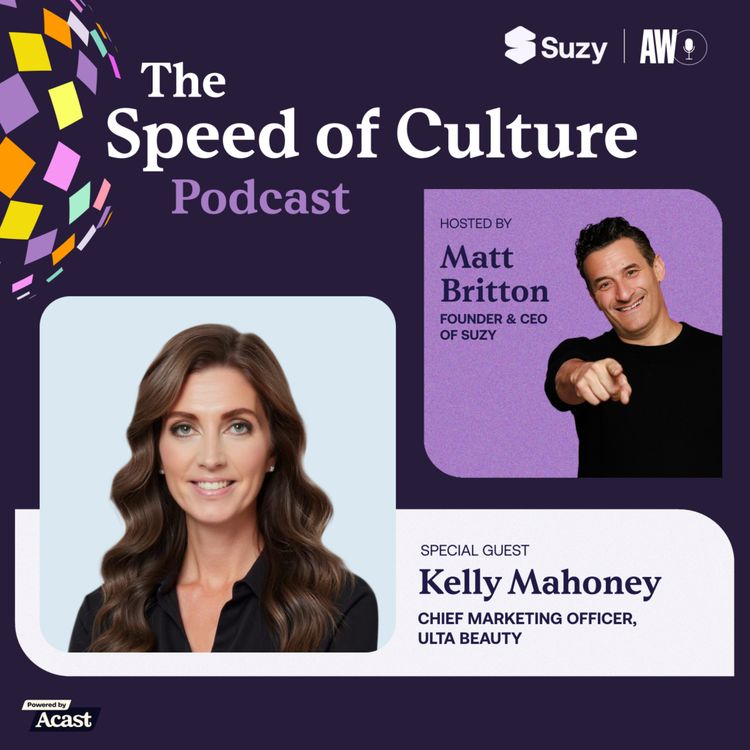
Matt Britton, founder and CEO of Suzy, the AI-powered consumer intelligence platform, has consistently identified workforce transformation as one of the forces reshaping every industry simultaneously. On The Speed of Culture podcast, Britton spoke with Melissa Waters, Chief Marketing Officer at Upwork—the world's largest work marketplace connecting businesses with independent professionals—about why the gig economy represents the future of how the world will work and what corporate America must do to adapt.
Waters, who joined Upwork after serving as Global VP of Marketing at Instagram and holding senior marketing roles at Lyft, Hims & Hers, and Pandora, brings a unique perspective shaped by leading marketing at some of the most disruptive consumer platforms of the past decade. Her insight that the workforce is changing—and that it is really on corporate America to catch up—carries implications for every business leader making decisions about talent, organizational design, and competitive strategy.
Why the Workforce Transformation Is Permanent
The temptation for business leaders is to treat the shift toward independent work as a pandemic-era anomaly that will eventually revert to pre-2020 norms. Waters argued that this interpretation fundamentally misreads what is happening.
For the first time in decades, workers are questioning the basic premises of traditional employment—what constitutes work, where it should happen, when it should occur, and whether full-time employment is the optimal arrangement for both individuals and organizations. This questioning has produced a structural shift, not a cyclical one.
Independent professionals are choosing freelance careers not because they cannot find full-time employment, but because independent work offers advantages that traditional employment cannot match: the freedom to choose projects aligned with their expertise and interests, the flexibility to determine their schedules and locations, and the ability to diversify their income across multiple clients rather than depending on a single employer.
The implications for businesses are equally significant. Organizations that embrace flexible workforce models gain access to specialized expertise they could not afford or attract as full-time employees, cost structures that flex with business needs rather than remaining fixed regardless of demand, and global talent pools unconstrained by geographic proximity to offices.
Upwork's position as the world's largest work marketplace puts Waters at the center of this transformation. The platform's growth reflects the accelerating convergence of talented professionals seeking independence and organizations seeking flexibility.
For business leaders, the question is no longer whether to engage with the gig economy but how to integrate independent talent into organizational strategy effectively. As Britton has noted in his keynotes to enterprise leaders, organizations that cling exclusively to traditional employment models will find themselves unable to compete with more agile competitors who leverage the full spectrum of available talent.
The Marketing Challenge of Workforce Transformation
Marketing a fundamental workforce transformation presents unique challenges that Waters navigated drawing on her experience at some of the most disruptive brands in consumer technology. Unlike marketing a product or service, marketing a new way of working requires shifting deeply held beliefs about career stability, professional identity, and organizational belonging.
For the supply side—independent professionals—the marketing challenge is demonstrating that freelance careers offer genuine viability, professional growth, and financial stability comparable to or exceeding traditional employment. This requires moving beyond aspirational messaging to showcase real professionals building successful independent careers, earning competitive incomes, and achieving the work-life integration that drove them to independence.
For the demand side—businesses and hiring managers—the challenge is overcoming institutional inertia and risk aversion. Organizations with established processes for recruiting, managing, and compensating full-time employees often perceive independent talent as higher risk, harder to manage, and less committed.
Waters approached this challenge by demonstrating the tangible business outcomes that flexible workforce models deliver—faster project completion, access to specialized skills, reduced overhead costs, and the ability to scale teams dynamically in response to business needs.
The dual-audience challenge mirrors broader trends in marketplace marketing that Waters experienced at Instagram and Lyft. Successful marketplace brands must build trust and engagement on both sides of the platform simultaneously, understanding that the value proposition differs for each audience while the overall brand must maintain coherent positioning.
How AI Is Accelerating the Gig Economy
The intersection of AI and independent work represents one of the most significant business trends emerging in the current environment. AI tools are simultaneously making independent professionals more productive—enabling a single freelancer to deliver output that previously required a team—and making it easier for organizations to find, evaluate, and manage independent talent at scale.
This convergence is accelerating the gig economy transformation that Waters described. Upwork's platform leverages technology to match businesses with professionals based on skills, experience, and project requirements—reducing the friction that historically made engaging independent talent more cumbersome than hiring full-time employees.
As AI capabilities expand, the matching, management, and collaboration infrastructure supporting independent work will become increasingly sophisticated. Britton's research for his book Generation AI identifies this convergence as one of the defining shifts reshaping how organizations access and deploy talent.
The generation entering the workforce today—raised with AI as a constant companion—will expect the kind of flexibility, choice, and autonomy that independent work provides. Organizations that build infrastructure for seamless collaboration between full-time employees and independent professionals will attract the best talent from both pools.
For business leaders planning workforce strategy, the implication is that investment in flexible work infrastructure—platforms, processes, management practices, and cultural norms that support blended teams—is investment in future competitive capability. Organizations that build this infrastructure now will have compounding advantages as the workforce transformation accelerates.
Education and the Skills Economy
Waters and Britton's conversation touched on a theme with profound long-term implications: the alignment between education systems and emerging workforce realities. Traditional education prepares students for traditional careers—full-time employment within hierarchical organizations following linear career progressions.
The emerging workforce reality looks dramatically different. Independent professionals need skills that traditional education often underemphasizes: self-management, client development, financial planning for variable income, personal branding, and the ability to continuously acquire new capabilities in response to market demand.
The most successful independent professionals combine deep functional expertise with the entrepreneurial skills required to manage themselves as businesses. This misalignment between education and workforce reality creates opportunities for platforms like Upwork to serve an educational function—helping professionals understand what skills the market values, how to position their expertise competitively, and how to build sustainable independent careers.
It also creates opportunities for forward-thinking organizations to invest in upskilling programs that prepare their teams for a future where the boundaries between employment and independent work become increasingly fluid.
For corporate leaders, the education dimension of workforce transformation suggests that talent development strategies need fundamental rethinking. Rather than preparing employees for linear career advancement within a single organization, development programs should build capabilities—including entrepreneurial skills—that serve professionals regardless of their employment arrangement.
What the Gig Economy Means for Consumer Brands
The workforce transformation has downstream implications that extend beyond HR strategy into consumer behavior and brand strategy. As more professionals achieve the flexibility and income stability of independent careers, their consumption patterns, media habits, and brand relationships shift in ways that marketers must understand.
Independent professionals do not commute to offices, which changes their media consumption patterns. They control their schedules, which shifts when and how they engage with content and advertising.
They often value time flexibility over traditional status symbols, which alters what products and experiences they prioritize. And they build professional identities around expertise and portfolio rather than corporate affiliation, which changes how they engage with B2B brands and professional services.
Consumer intelligence gathered through platforms like Suzy enables brands to understand these behavioral shifts in real time and adapt their strategies accordingly. The brands that recognize independent professionals as a distinct and growing consumer segment—rather than treating them as unemployed or underemployed—will capture market share in categories ranging from coworking spaces to financial services to professional development.
Key Takeaways for Business Leaders
- Accept that the gig economy transformation is permanent and structural, not cyclical, requiring fundamental reassessment of workforce strategy, organizational design, and talent acquisition practices.
- Build infrastructure for blended teams that seamlessly integrate full-time employees and independent professionals, investing in platforms, processes, and cultural norms that support flexible collaboration.
- Recognize that AI is accelerating the gig economy by making independent professionals more productive and making talent matching more efficient, compounding the competitive advantages of flexible workforce models.
- Rethink talent development strategies to build entrepreneurial capabilities alongside functional expertise, preparing team members for workforce realities where the boundaries between employment and independence are increasingly fluid.
- Understand the downstream consumer behavior implications of workforce transformation, recognizing independent professionals as a distinct and growing market segment with unique needs and preferences.
Frequently Asked Questions
Why is the gig economy considered permanent rather than a pandemic trend?
The gig economy is permanent because it addresses fundamental desires that traditional employment struggles to satisfy: professional autonomy, schedule flexibility, geographic freedom, and income diversification. Workers who experienced these benefits during the pandemic are not voluntarily returning to arrangements that offer less flexibility. Simultaneously, businesses that discovered the cost and capability advantages of flexible workforce models are incorporating them into permanent strategy.
How should businesses integrate independent talent into their organizations?
Businesses should invest in platforms, processes, and management practices designed for blended teams. This includes clear scoping and communication frameworks for project-based work, collaboration tools that include independent contributors seamlessly, and cultural norms that treat independent professionals as valued team members rather than outsiders. The most successful organizations create consistent experiences regardless of employment arrangement.
What skills matter most in the gig economy?
Beyond deep functional expertise, the most successful independent professionals combine self-management discipline, client relationship development, financial planning for variable income, personal branding, and continuous skill acquisition. The ability to identify market demand for specific capabilities and position expertise accordingly is equally important. Platforms like Upwork provide market intelligence that helps professionals align their skills with demand.
How does AI impact the future of independent work?
AI makes independent professionals more productive by automating routine tasks and enabling individuals to deliver output that previously required teams. Simultaneously, AI improves talent matching platforms, making it easier for businesses to find the right independent professionals for specific projects. This dual acceleration is expanding both the supply and demand sides of the gig economy simultaneously.
Looking Ahead
Melissa Waters' perspective from the center of the workforce transformation offers a clear message for business leaders: the future of work is not coming—it has arrived. Organizations that adapt their strategies, structures, and cultures to embrace flexible workforce models will build competitive advantages that compound over time.
Hear the full conversation on The Speed of Culture podcast. To explore how workforce transformation, AI, and consumer behavior shifts are reshaping business strategy, connect with Matt Britton through his keynote platform.

%20(400%20x%20100%20px)%20(300%20x%2050%20px)%20(150%20x%2050%20px).avif)

.jpeg)


.jpeg)
.jpeg)