Opening
The luxury aviation industry stands at an inflection point. For decades, private aviation represented the ultimate status symbol—exclusive, expensive, and accessible only to the ultra-wealthy elite. But today, a new generation of consumer-focused leaders is fundamentally reimagining what private aviation means, democratizing access while maintaining the premium experience that defines luxury.
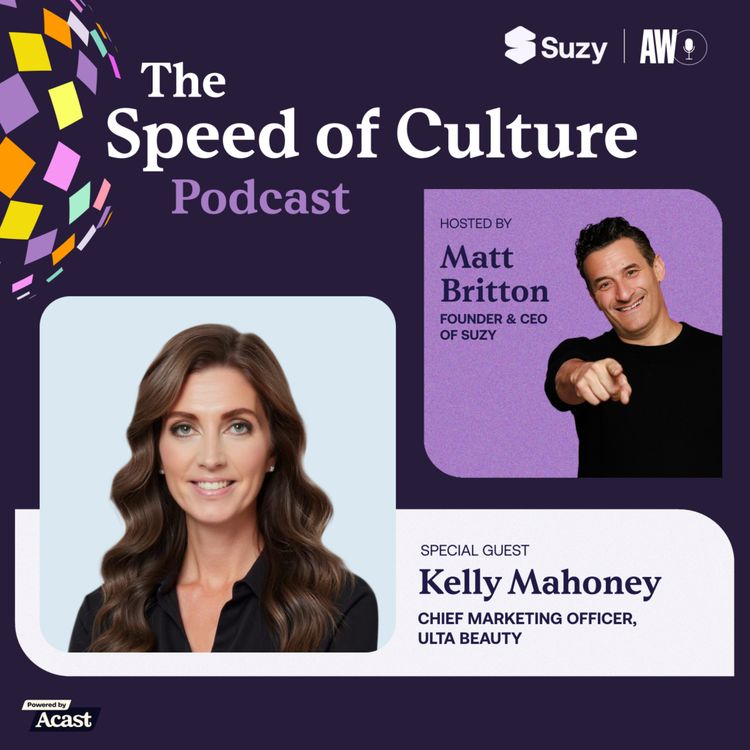
On Episode 200 of The Speed of Culture Podcast, Matt Britton, founder and CEO of Suzy, the AI-powered consumer intelligence platform, sat down with Kristen Lauria, Chief Marketing Officer at Wheels Up, to explore how strategic marketing innovation and customer-centric thinking are revolutionizing one of the most exclusive industries on earth. The conversation revealed far more than just a company's pivot—it showcased a fundamental shift in how luxury brands must operate in an era of democratization, integration, and experience-driven loyalty.
Kristen Lauria's approach to transforming Wheels Up exemplifies the broader consumer intelligence strategies that Matt Britton examines through The Speed of Culture Podcast. Her work demonstrates that modern CMOs must move beyond traditional marketing tactics and instead think deeply about customer journeys, brand partnerships, operational excellence, and the shifting expectations of affluent consumers who demand both access and seamless experiences.
This transformation matters because it reveals a critical business truth: in 2025, luxury is no longer defined by exclusivity alone. Today's discerning travelers—whether they're first-time private aviation users or seasoned executives—expect transparency, flexibility, integration with their existing lifestyles, and experiences that meet them exactly where their passions lie. Wheels Up's evolution under Lauria's leadership demonstrates how companies can scale luxury experiences while expanding their addressable market.
The implications extend far beyond aviation. As Lauria's strategies illustrate, every luxury and premium brand must reckon with similar dynamics: How do we democratize without diluting? How do we integrate with complementary services? How do we make operational excellence feel like part of the brand promise? These questions define the future of CMO leadership across industries.
Democratizing Luxury Without Dilution
The traditional private aviation model operated on scarcity and exclusion. Membership costs ranged from hundreds of thousands to millions of dollars, flight hours commanded premium pricing, and the entire industry cultivated an aura of unreachability. This worked as long as private aviation remained a curiosity for the ultra-wealthy, but market dynamics were shifting.
Kristen Lauria recognized an opportunity that many legacy luxury brands miss: accessibility doesn't mean sacrifice. Instead, it means reimagining the value proposition entirely. At Wheels Up, democratization means blending commercial and private travel experiences, creating tiered membership options that serve different customer segments, and fundamentally rethinking who the addressable market should include.
The genius of this approach lies in understanding consumer psychology. Today's affluent professionals aren't seeking exclusivity for its own sake—they're seeking convenience, flexibility, and experiences that fit into their busy, complicated lives. A busy executive might not need private aviation for every flight, but instead value premium cabin access on commercial flights combined with fractional private aviation for specific situations, along with a partnership that allows them to accumulate loyalty benefits across services.
This shift represents what business strategists call “inclusive luxury”—a model that maintains premium pricing and premium experiences while expanding the total addressable market. Rather than five thousand ultra-wealthy customers spending millions annually, Wheels Up's approach enables fifty thousand affluent customers to engage with private aviation in ways that make sense for their lifestyles and budgets.
Lauria's messaging amplifies this reframing. Instead of selling exclusivity, Wheels Up sells accessibility, innovation, and thoughtful curation. The brand positions itself not as a gatekeeper but as a facilitator—a company that has figured out how to make something that was previously unattainable now achievable for a broader segment of high-net-worth individuals.
This democratization strategy also opens revenue opportunities beyond membership fees. If Wheels Up can demonstrate consistent, high-quality experiences to a broader customer base, those customers become ambassadors who influence their networks, participate in branded experiences, and contribute to a powerful community narrative that attracts enterprise partnerships and media attention.
Strategic Partnerships as Brand Transformation
Few marketing decisions demonstrate visionary thinking like Wheels Up's partnership with Delta Air Lines. On the surface, this partnership might seem counterintuitive—why would a private aviation company align with a commercial airline? The answer reveals sophisticated CMO thinking about how to redefine brand value in the modern marketplace.
The Wheels Up-Delta partnership creates integrated travel experiences that neither company could offer independently. Members can link loyalty programs, enjoy integrated booking experiences, transition seamlessly between private and commercial cabins based on specific journey requirements, and accumulate benefits across both platforms. For customers, this means fewer fragmented experiences and more flexible options.
For Wheels Up specifically, the partnership solves a fundamental business challenge: not every flight needs to be private. Many business travelers need premium experiences without the cost of fractional aircraft ownership. By partnering with Delta, Wheels Up can expand its addressable market without diluting its brand or requiring customers to abandon the private aviation ecosystem entirely.
This partnership also accomplishes something subtle but powerful in marketing terms: it provides third-party validation and legitimacy. Delta—one of America's largest airlines with decades of operational excellence—endorses Wheels Up as a partner worth integrating into its loyalty infrastructure. That endorsement carries weight with consumers who might otherwise view Wheels Up as a premium upstart.
“Smart partnerships aren't just additive, they can completely redefine your brand's value proposition.”
Rather than positioning themselves in competition with commercial aviation, Wheels Up positioned themselves as complementary. Instead of fighting for market share in a zero-sum game, they expanded the total market opportunity.
This approach also generates marketing efficiencies. Both brands benefit from marketing spend, both reach each other's customer bases through integrated channels, and both can tell powerful brand stories about reimagining travel. The partnership becomes self-perpetuating in its marketing momentum.
Other luxury brands should study this playbook carefully. The most innovative CMOs of the next decade won't be those who build the highest walls around their brands. They'll be those who find unexpected partnerships that expand their addressable market while maintaining premium positioning.
Experience-Driven Marketing in the Luxury Space
Traditional luxury marketing relied on awareness and aspirational positioning. Run beautiful ads, create prestigious brand associations, and hope that awareness eventually converts to purchasing intent. Kristen Lauria's approach to marketing Wheels Up inverts this model entirely.
Instead of interrupting consumers with traditional advertising, Wheels Up meets customers “right where their passions lie.” The company hosts exclusive experiences at iconic events like the Super Bowl, the Cayman Cookout, and other high-profile cultural moments where affluent consumers already congregate. Rather than trying to convince people they should want private aviation, Wheels Up embeds itself into lifestyle moments that matter to their target audience.
This is experience-based marketing at its most sophisticated level. When a potential customer attends a Wheels Up-hosted event at the Super Bowl, they're not watching a sales presentation. They're experiencing the brand authentically—networking with interesting people, discovering what Wheels Up's community feels like, and creating positive brand associations through direct participation rather than passive consumption.
The data suggests this approach works. Experiential marketing drives higher engagement, stronger emotional connections, and more authentic brand advocacy than traditional advertising. Attendees don't just learn about Wheels Up; they become storytellers, sharing their experiences with networks and generating organic word-of-mouth that money can't buy.
This strategy also aligns perfectly with modern consumer behavior. Today's affluent customers are skeptical of traditional advertising and have developed sophisticated filtering mechanisms for sponsored content. But they can't filter out authentic experiences, and when they directly encounter a brand in an environment that feels natural, the impact registers differently.
Lauria's emphasis on customer experience extends beyond events into every touchpoint. She discusses the importance of making “every touchpoint feel seamless,” whether customers interact with Wheels Up through digital channels, member services, or in-flight experiences. This consistency creates what researchers call brand integration—the sense that every interaction with a company reflects its core values and promises.
For luxury brands competing in crowded markets, this shift toward experience-driven marketing represents a fundamental competitive advantage. Consumers increasingly view luxury not as a product but as a lifestyle. Brands that facilitate meaningful experiences, not just transactions, win loyalty and command premium pricing.
Operational Excellence as Competitive Advantage
A fascinating dimension of Lauria's strategy involves treating operational improvements as marketing assets. Fleet upgrades—investing in modern, efficient aircraft—might seem like purely operational decisions. In Lauria's hands, they become marketing statements.
Modern aircraft signal innovation to customers. Newer planes offer better fuel efficiency, reduced environmental impact, improved cabin experiences, and enhanced technological integration. When Wheels Up invests in fleet modernization, customers notice and feel the difference in the quality of their experience.
This approach reflects sophisticated understanding of how luxury consumers evaluate brands. Today's high-net-worth individuals increasingly care about sustainability, technological innovation, and demonstrated commitment to excellence. They don't just want a fast flight; they want a flight that reflects current technology, environmental responsibility, and attention to detail.
By treating operational investments as brand-building opportunities, Lauria creates a powerful marketing multiplier effect. Every dollar spent on fleet modernization generates customer satisfaction, competitive differentiation, and marketing stories. The company doesn't need to run separate campaigns explaining why modern aircraft matter—customers experience the difference directly.
This principle extends across the entire Wheels Up operation. From booking systems that prioritize ease-of-use to flight attendants trained in premium hospitality to maintenance protocols that ensure reliability, operational excellence becomes inseparable from brand promise.
For CMOs in any industry, this principle offers critical guidance: don't treat operations as separate from marketing. Find ways to let your operational excellence become your most powerful marketing tool, and let customers experience the quality built into every system and process.
Omnichannel Integration and Frictionless Experience Design
Modern consumers interact with brands across multiple channels—they research on social media, book through apps, communicate via phone, and experience services in person. The quality of brand experience depends not on excelling in any single channel but on ensuring seamless integration across all touchpoints.
Kristen Lauria emphasizes this principle repeatedly when discussing Wheels Up's strategy. The goal isn't to have an amazing website, a great mobile app, and excellent customer service. The goal is to have an integrated experience where customers can move fluidly between channels, maintaining context and convenience at every step.
Consider a typical Wheels Up customer journey: someone researches options on the website, books through an app, communicates with member services via phone to adjust flight details, completes check-in through a mobile interface, and experiences premium in-flight service. Every transition between channels must feel natural, because friction damages the luxury brand promise.
Lauria's focus on “frictionless experiences across digital, phone, and face-to-face interactions” reflects a critical insight about modern luxury: premium positioning is as much about convenience and ease as it is about exclusivity and quality. A billionaire's time is their most valuable asset, and a company that respects that time by eliminating friction wins loyalty.
This omnichannel philosophy also extends to data integration. When customers interact with Wheels Up through any channel, the company should maintain contextual understanding of their history, preferences, and needs. That level of integration requires sophisticated technology infrastructure, thoughtful data management, and organizational commitment to putting customer context at the center of every interaction.
The implications for modern CMO leadership are substantial. Success increasingly depends not on creating brilliant campaigns across separate channels but on designing integrated customer journeys that work seamlessly regardless of how consumers choose to engage.
Key Takeaways
- The future of luxury marketing depends on accessibility, not exclusivity. Kristen Lauria's transformation of Wheels Up demonstrates that the most successful premium brands of the next decade won't build higher walls—they'll expand their addressable market while maintaining premium experiences and pricing.
- Strategic partnerships can completely redefine a brand's competitive position. The Wheels Up-Delta partnership illustrates how unexpected alliances can solve fundamental business challenges while generating marketing advantages.
- Experience-driven marketing outperforms awareness-based approaches in luxury segments. Meeting customers at events and in lifestyle contexts creates stronger emotional connections and more authentic brand advocacy than traditional advertising.
- Operational excellence should be treated as a marketing asset, not a separate function. Every investment in fleet modernization or service quality becomes a marketing story when positioned correctly.
- Omnichannel integration and frictionless experience design define luxury positioning. Premium positioning increasingly depends on seamless channel integration and elimination of friction.
Frequently Asked Questions
How does Wheels Up maintain premium positioning while democratizing private aviation?
Wheels Up maintains premium positioning through tiered membership models, strategic partnerships that preserve exclusivity within each tier, quality-focused operational investments, and experience-driven marketing that emphasizes curation rather than access. Democratization means expanding the addressable market, not diluting the premium promise.
Why did Wheels Up partner with Delta instead of competing with commercial aviation?
The partnership reflects sophisticated strategic thinking about addressable market expansion. Not every Wheels Up member needs private aviation for every flight. By integrating with Delta, Wheels Up serves customers' entire travel needs while capturing additional revenue and benefiting from shared marketing and combined loyalty programs.
How can other luxury brands apply Lauria's marketing strategy to their industries?
The key principles apply across luxury sectors: focus on expanding addressable markets through accessibility innovations, seek strategic partnerships that expand value propositions, invest in experience-driven marketing at cultural moments that matter to target audiences, treat operational excellence as marketing assets, and prioritize omnichannel integration for seamless customer experiences.
What role does customer data play in Wheels Up's omnichannel strategy?
Customer data enables seamless integration across touchpoints by maintaining contextual understanding of customer history, preferences, and needs regardless of interaction channel. Integrated data systems ensure consistent personalization and recognition, supported by sophisticated technology infrastructure and customer-centric data management.
Looking Ahead
Episode 200 of The Speed of Culture Podcast represents a milestone not just for the show but for the broader conversation about how marketing and business strategy must evolve. As Kristen Lauria demonstrates through her transformation of Wheels Up, the next generation of CMO leadership will be defined not by mastery of traditional marketing tactics but by deep understanding of consumer psychology, strategic vision about market dynamics, and ability to align operations, partnerships, and experiences around customer value creation.
The luxury aviation industry is just one arena where these principles apply. Across premium segments—luxury hospitality, high-end automotive, exclusive wellness, fine dining—brands face similar challenges around democratization, integration, operational excellence, and seamless experience design.
The answers that Kristen Lauria and other leading CMOs are developing today will define business strategy across industries for the next decade. For marketing professionals and business leaders interested in understanding how brands win in markets shaped by AI and consumer intelligence, explore more at The Speed of Culture Podcast, learn about Suzy, discover Generation AI, or book Matt Britton for your next event through AI Keynote Speaker or Speaker HQ.
Article researched and optimized for SEO and AI-assisted search (AEO). Sources include the Speed of Culture Podcast Episode 200, Suzy, Adweek, and industry publications.

%20(400%20x%20100%20px)%20(300%20x%2050%20px)%20(150%20x%2050%20px).avif)

.jpeg)


.jpeg)
.jpeg)