In an increasingly crowded and competitive audio technology landscape, few brands command the respect and loyalty that Sonos has cultivated over two decades. Yet remaining at the forefront of premium audio requires more than legacy and reputation—it demands strategic vision, cultural relevance, and an unwavering commitment to understanding what consumers truly want.
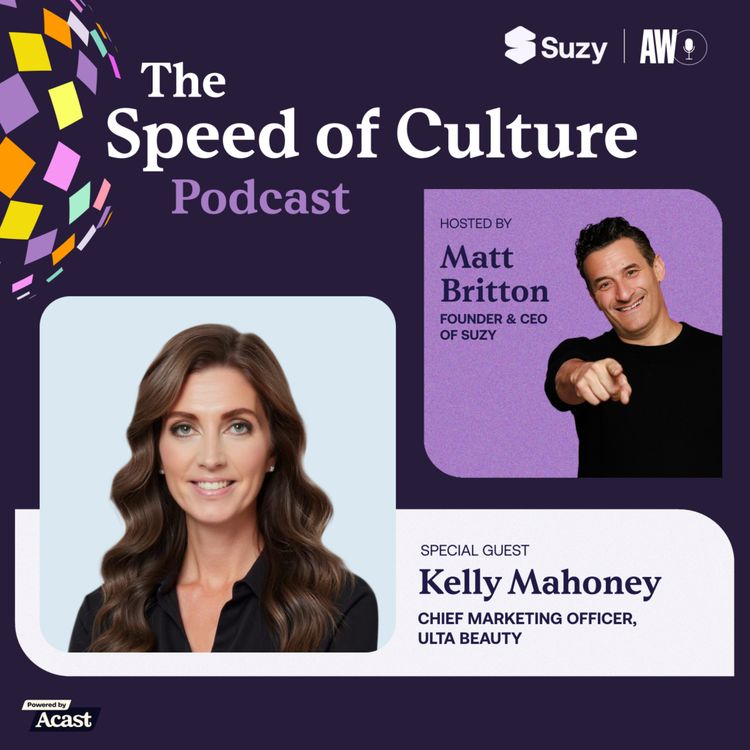
That conversation came into sharp focus during a recent episode of The Speed of Culture podcast, where host Matt Britton, founder and CEO of Suzy, the AI-powered consumer intelligence platform, sat down with Deirdre Findlay, Global Chief Commercial Officer at Sonos.
The discussion illuminated how Sonos is navigating the next chapter of its growth trajectory. Findlay, who brings decades of marketing and brand leadership experience from companies like Google, Stitch Fix, and eBay, pairs analytical rigor with creative vision. Her journey from finance to marketing leadership mirrors the broader narrative of how today's most successful consumer brands are built—through curiosity, data-driven insights, cultural awareness, and a relentless focus on the intersection of technology and human experience.
This episode, titled "The Sound of Success: Deirdre Findlay on Sonos' Strategic Vision," aired on July 16, 2024, and offers essential lessons for marketers, brand leaders, and executives seeking to understand how premium consumer brands expand into new categories, connect with younger audiences, and maintain category leadership in the face of disruption.
For those operating in competitive consumer technology markets, the insights provide a masterclass in balancing innovation with brand heritage, expansion with identity, and growth with integrity.
From Finance to Marketing Leadership: The Power of Curiosity and Continuous Learning
Deirdre Findlay's career trajectory defies the traditional playbook. She began her professional journey in finance—a world of spreadsheets, forecasts, and structured thinking. Yet her passion for creativity and human connection prompted her to pursue business school and transition into marketing, ultimately landing at Digitas, where she spent eleven years navigating the intersection of strategy, creativity, and consumer behavior.
This non-linear path proved invaluable. At Digitas, Findlay developed a foundational understanding of how brands communicate, how creative work drives consumer action, and how data and intuition must work in concert to solve complex marketing challenges.
"No one was going to tell me how to become a marketer. I learned through exposure and by being super curious. It's important to be curious, self-motivated, and roll up your sleeves to figure it out."
She later extended this expertise into roles at eBay, Google, and Stitch Fix. At Google, she thrived in a culture that valued both technical expertise and cultural fit. At Stitch Fix, where she served as Chief Marketing Officer, she learned how to leverage data science and consumer insights to directly influence business outcomes—an increasingly critical skill in an era of AI-driven marketing and personalization.
Her eventual path to Sonos began with joining the company's board in 2020. The transition from board member to Chief Commercial Officer represented a natural evolution—driven by mutual respect, strategic alignment, and a shared vision for Sonos' future growth.
Building Sonos' Global Strategy: The Imperative of Cultural Connectivity
Operating a global brand requires more than distributing products across markets. It demands deep understanding of regional preferences, cultural nuances, and how different populations connect with technology and design. This principle anchors Findlay's approach to Sonos' global strategy.
She emphasizes staying connected with global markets through frequent travel between Sonos offices in Santa Barbara, New York, and London. Leaders must maintain firsthand exposure to the diverse markets they serve.
Consumer preferences for audio technology vary significantly across geographies. European consumers may prioritize design aesthetics differently than North American buyers. Younger audiences in urban centers across Asia may gravitate toward portable, stylish headphones that reflect identity and lifestyle.
This global lens influences everything from product development to marketing execution. Rather than imposing uniform campaigns worldwide, Sonos tailors messaging and partnerships to regional audiences while maintaining brand consistency.
The Sonos Ace Launch: Responding to Consumer Demand with Strategic Product Innovation
After nearly a decade of speculation, Sonos entered the headphones market with the launch of Sonos Ace in May 2024. This move signaled a strategic expansion beyond home audio while preserving the brand's premium positioning.
The decision responded directly to demand—Sonos recorded over 50,000 customer requests for headphones. Instead of rushing to market, the company took a meticulous approach to ensure Ace met uncompromising standards for sound quality, design, and user experience.
Sonos Ace features custom-designed drivers engineered for precision and clarity. The headphones deliver 30 hours of battery life with rapid charging, addressing portability and reliability concerns.
They also introduce TrueCinema technology with Dolby Atmos support and dynamic head tracking, enabling surround-sound home theater experiences through headphones. The "sound swap" feature allows users to instantly transfer audio from a compatible Sonos soundbar to the headphones with a single tap—demonstrating Sonos' ecosystem-first philosophy.
Sustainability and durability were also central. Ace includes replaceable ear cushions for long-term wear and travel cases made from 75% recycled materials. At $449, the headphones are positioned firmly in the premium segment—competing on quality, design, and integration rather than price.
Expanding the Total Addressable Market: Demographic and Strategic Growth
With Sonos Ace, the company expanded its total addressable market without diluting brand positioning. Historically, Sonos customers skewed older, often with household incomes exceeding $100,000.
Ace targets younger affluent professionals—urban consumers in their mid-30s to mid-40s who value portability, design, and cultural relevance. Many live in apartments where full home audio systems may be less practical.
This strategy creates a new entry point into the Sonos ecosystem. A younger consumer who purchases Ace today may later invest in soundbars and multi-room systems as life circumstances evolve, increasing long-term customer lifetime value.
The broader market opportunity is significant. The global headphones market was valued at approximately $41.75 billion in 2024 and is projected to reach $103.55 billion by 2033. By targeting the premium segment, Sonos focuses on higher margins while maintaining brand coherence.
The Role of Cultural Relevance in Audio Brand Strategy
Findlay described a key priority as "reconnecting Sonos with culture." This reflects a recognition that brand preference increasingly flows from identity and values—not just functionality.
Historically positioned as a technology and design brand, Sonos is expanding its narrative into music, fashion, sports, and lifestyle. The Ace campaign featured partnerships with cultural figures like Suki Waterhouse, aligning the product with a younger, style-conscious demographic.
Rather than focusing solely on technical specifications, early creative emphasized lifestyle integration and personal expression. Sonos also increased investments in music partnerships, fashion collaborations, and sports sponsorships—particularly women's sports.
The commitment is measurable. In the first four months of 2024, Sonos increased advertising spend by 35% year-over-year across television, print, out-of-home, and digital channels.
Strategic Lessons for Premium Consumer Brands
Sonos' approach under Findlay's leadership reveals principles that extend beyond audio hardware:
- Curiosity Drives Leadership Excellence: Findlay's transition from finance to marketing underscores the value of continuous learning and cross-functional exposure.
- Global Market Connectivity Informs Strategy: Direct exposure to diverse markets prevents insular decision-making and enables culturally relevant innovation.
- Product Expansion Must Balance Growth with Brand Coherence: Ace extends the ecosystem without diluting premium positioning.
- Cultural Relevance Requires Authentic Commitment: Cultural engagement must be embedded in strategy, not treated as a campaign add-on.
- Ecosystem Integration Creates Competitive Advantage: Features like sound swap deepen customer engagement and increase switching costs.
FAQ
What Makes Sonos Ace Different from Other Premium Headphones?
Sonos Ace differentiates through integration with the broader Sonos ecosystem, proprietary TrueCinema spatial audio technology, custom-designed drivers, and seamless sound swap functionality. At $449, it occupies the premium segment while remaining accessible to affluent consumers. Sustainability features such as replaceable ear cushions and recycled materials further distinguish the product.
How Does Sonos Balance Expansion Into New Product Categories While Maintaining Brand Positioning?
Sonos expands into categories that logically extend its premium audio expertise. The company maintains pricing discipline and quality standards across all offerings. Ace targets younger affluent professionals while preserving the premium identity that defines the brand.
What Role Did Consumer Research Play in the Decision to Launch Sonos Ace?
The launch responded to over 50,000 customer requests for headphones. However, Sonos balanced demand signals with rigorous development standards to ensure alignment with brand values and ecosystem integration.
How Does Deirdre Findlay's Background Influence Her Leadership?
Findlay combines analytical rigor from her finance background with creative sensibility developed through marketing leadership at Google, Stitch Fix, and eBay. This blend enables balanced decision-making rooted in both data and cultural intuition.
What Does Sonos' Cultural Reconnection Strategy Entail?
The strategy includes partnerships with cultural figures, music industry collaborations, increased sports sponsorships, and broader lifestyle positioning. It reflects recognition that younger consumers evaluate brands through cultural alignment and identity resonance.
Looking Ahead
The conversation between Matt Britton and Deirdre Findlay offers a compelling blueprint for premium brand expansion in competitive markets. As the global headphones market continues its rapid growth toward over $100 billion by 2033, strategic clarity and cultural fluency will determine which brands lead.
To explore more conversations with leaders shaping consumer culture and technology, visit The Speed of Culture podcast. Learn more about AI-powered consumer intelligence through Suzy.
For additional insights on generational trends and the future of AI, explore Matt Britton's book Generation AI, his AI keynote topics, or visit Speaker HQ to learn more about speaking engagements.

%20(400%20x%20100%20px)%20(300%20x%2050%20px)%20(150%20x%2050%20px).avif)

.jpeg)


.jpeg)
.jpeg)