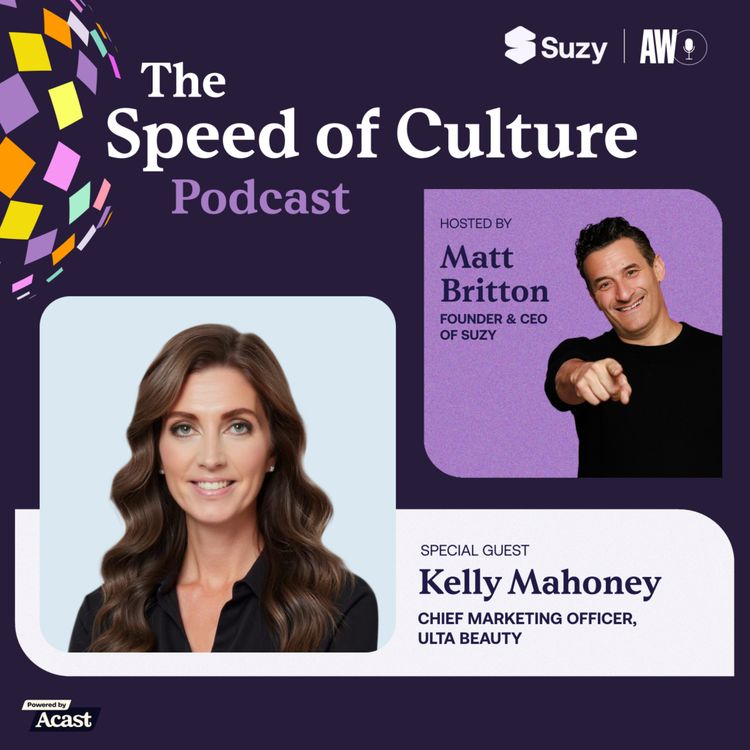
Opening: The CMO Redefining Retail for Generation Z
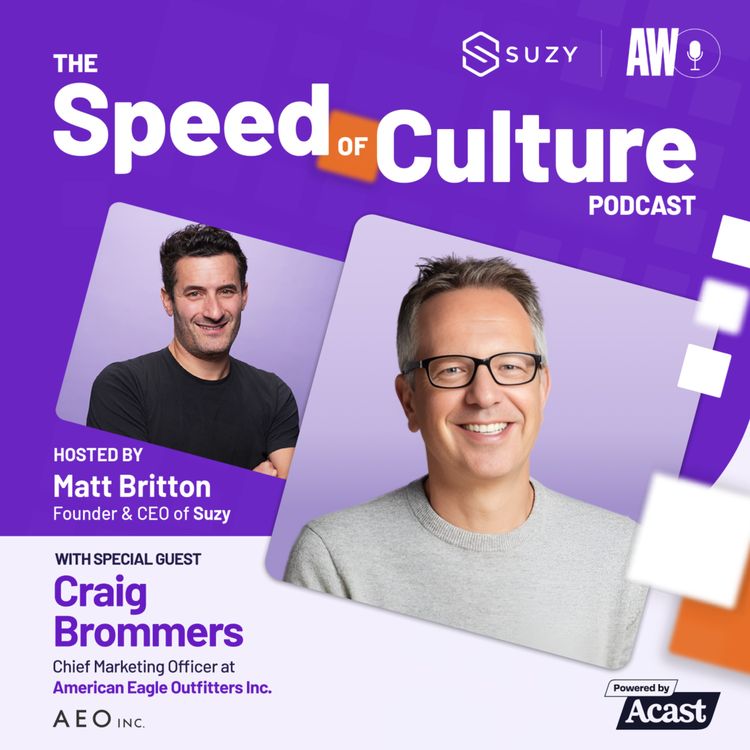
In a retail landscape increasingly shaped by social media algorithms and creator economies, traditional marketing playbooks are becoming obsolete. American Eagle Outfitters' Chief Marketing Officer Craig Brommers is demonstrating a fundamentally different approach—one built on authenticity, creator partnerships, and a willingness to let Gen Z influence brand strategy in real time.
In a recent episode of The Speed of Culture Podcast, hosted by Matt Britton, founder and CEO of Suzy, the AI-powered consumer intelligence platform, Brommers shared strategic insights into how American Eagle transformed its relationship with the largest consumer demographic in American history.
The conversation revealed a compelling case study: how a single unsponsored TikTok post by creator Alix Earl turned an underperforming American Eagle item into a top-five seller overnight. This wasn't luck—it was the result of a deliberately reimagined marketing strategy that prioritizes creator-led content, digital-first channels, and meaningful engagement over traditional advertising.
American Eagle's evolution reflects broader shifts in how retail brands must operate in 2024 and beyond. Gen Z controls purchasing decisions that will exceed trillions of dollars in the coming decade, yet they view traditional advertising with skepticism. They demand transparency, shared values, and authenticity—qualities that cannot be manufactured or outsourced to Madison Avenue.
Brommers' insights extend beyond TikTok tactics. He addresses the strategic repositioning of physical retail stores as immersive social hubs, the reallocation of marketing budgets away from traditional advertising toward digital and paid social channels, and the importance of building loyalty programs that actually resonate with Gen Z values.
The following sections explore the key themes from Brommers' conversation with Matt Britton, examining how American Eagle's playbook applies to broader retail and brand strategy challenges. Whether you're a CMO, marketing strategist, or business leader seeking to strengthen your organization's Gen Z engagement, the insights from this podcast episode offer practical frameworks for meaningful consumer connection in the age of social commerce.
The Gen Z Marketing Revolution: Why Traditional Advertising Is Failing
The fundamental challenge facing retail CMOs in 2024 is one of audience attention and trust. Generation Z—those born between 1997 and 2012—grew up with social media, curated feeds, and algorithmic content recommendations. Unlike previous generations, they were immersed in digital marketing from childhood.
This context explains why Gen Z exhibits profound skepticism toward traditional advertising, polished brand messaging, and celebrity endorsements disconnected from authentic product experience. American Eagle deliberately shifted its marketing budget allocation to reflect where Gen Z actually spends time and what content they engage with.
Traditional channels—television, print, outdoor advertising—represent a dwindling share of media consumption for this demographic. Meanwhile, platforms like TikTok, Instagram, Snapchat, and YouTube have become primary discovery channels for products, trends, and brand awareness.
The business imperative is stark. Over 85% of Gen Z customers engage on social platforms before making a purchase decision. American Eagle now allocates more than 60% of its total marketing budget to social channels, a dramatic reallocation driven by ROI metrics, customer acquisition costs, and sales conversion data.
What distinguishes American Eagle's approach is not merely channel migration but a fundamental content philosophy. Traditional brand advertising seeks to control messaging and present polished imagery. Gen Z actively resists this approach.
Research indicates that 93% of Gen Z consumers value authenticity in influencer content, and over 58% express wariness toward brands making unsubstantiated sustainability claims. This generation has been trained to detect inauthenticity, corporate speak, and manufactured emotion.
American Eagle responded with a counterintuitive move: relinquishing direct creative control. Rather than creating content “at” Gen Z, the brand creates conditions for Gen Z to create content “with” the brand.
Each season, American Eagle partners with 700–800 creators, allowing nearly 90% of its TikTok content to be creator-generated rather than brand-produced. This approach reduces production costs, drives authenticity, diversifies creative output, and leverages peer-to-peer social proof.
This strategy is not passive. American Eagle maintains clear brand guidelines and objectives, but execution happens through trusted creators who understand both the brand ethos and their audiences. The result is content native to TikTok culture that advances measurable business outcomes.
TikTok Strategy: Building Viral Moments While Driving Real Business Results
TikTok occupies a unique position in the media landscape. Unlike Instagram or YouTube, TikTok emphasizes content discovery and algorithmic distribution. A creator with zero followers can reach millions.
American Eagle’s approach combines three essential elements:
- Organic creator partnerships that allow authentic product integration.
- Community-driven content rooted in platform culture.
- Real-time responsiveness to viral opportunities.
The Alix Earl case study illustrates this strategy in action. Without a formal partnership, she posted an unsponsored video featuring an American Eagle item. The content resonated because the product genuinely aligned with her style.
The result: immediate demand surge and a top-five selling product overnight—without paid promotion. American Eagle benefited from uncompensated reach, authentic endorsement, and community validation.
However, organic virality alone is insufficient. American Eagle also invests in intentional creator campaigns, emerging creator programs, in-house content aligned with TikTok norms, and real-time trend monitoring.
The company tracks creator-driven sales, content performance by format, trending audio impact, engagement rates, and conversion data. TikTok’s algorithm rewards watch time, completion rate, shares, and comments, requiring a fundamentally different KPI framework than traditional media.
Content polished for Instagram often fails on TikTok. Raw, native, community-driven storytelling wins. American Eagle empowers creators to determine direction rather than forcing rigid creative briefs.
For retail leaders, the lesson is clear: TikTok is not a distribution channel—it is a cultural ecosystem. Brands that commit to creator partnerships, embrace imperfection, and iterate rapidly outperform those repurposing traditional ad concepts.
Authenticity and Brand Loyalty: Moving Beyond Transactional Relationships
Brand loyalty has transformed with Gen Z. Purchasing decisions now reflect identity expression and values alignment—not just convenience or price.
American Eagle’s AEO Connected loyalty program drives approximately 70% of total sales from over 40 million members. Its success depends on authentic brand execution, not mechanics alone.
Gen Z loyalty is conditional and values-driven. Approximately 43% of Gen Z consumers have abandoned previously favored brands due to boredom or misalignment with evolving values.
American Eagle embedded authenticity into organizational structure. Young customers are invited to conceptualize, film, and direct campaigns, transforming them into brand stakeholders rather than passive ambassadors.
The Aerie “Real Power” campaign, featuring real customers rather than professional models, generated a 15% sales surge. The impact stemmed from authenticity—not production value.
Brands that claim sustainability without transparency, showcase diversity without leadership alignment, or promote inclusivity while pricing out Gen Z customers face backlash. Authenticity must extend across product, pricing, supply chain, and culture.
American Eagle’s loyalty success results from integrated authenticity across marketing, product design, sustainability initiatives, and community engagement. Marketing tactics alone cannot generate resilient loyalty.
Physical Retail Reimagined: Transforming Stores Into Immersive Community Spaces
Contrary to predictions of retail’s decline, American Eagle reimagined stores as immersive social hubs rather than transactional spaces.
Stores now function as:
- Community gathering spaces
- Product experience centers
- Content creation backdrops
- Social entertainment destinations
Gen Z often discovers products online but values physical interaction before purchase. Shopping is a social activity, not just a functional task.
American Eagle invested in experiential store design, local artist collaborations, community events, and flexible spaces optimized for social media content. Stores generate both transactions and digital amplification.
Physical and digital retail operate as an integrated ecosystem. Online campaigns drive foot traffic. In-store experiences fuel social content. Loyalty data informs personalization across channels.
Retail leaders must measure success beyond transactions—considering engagement, brand perception, and cross-channel integration.
Organizational Transformation: Restructuring for Speed, Authenticity, and Creator Partnerships
American Eagle’s transformation required organizational change. Competing with digital-native brands demanded elevated digital capabilities, expanded creator investment, and accelerated decision-making.
The company recruited specialists in platform strategy, creator relations, and social commerce while upskilling internal teams. Success metrics expanded beyond sales to include engagement and brand health.
Authentic Gen Z engagement cannot be outsourced. It requires executive leadership commitment, internal expertise, and cultural alignment.
Organizations must accept experimentation and calculated risk. Annual planning cycles cannot keep pace with algorithm-driven platforms.
The lesson for executives: sustainable Gen Z loyalty requires investment across people, systems, processes, and culture. Brands layering campaigns atop legacy operations will struggle. Those that reorganize around Gen Z priorities will thrive.
Key Takeaways
- Authenticity is table stakes. Brands that manufacture authenticity or misalign actions with values lose Gen Z trust.
- Creator partnerships outperform traditional advertising. Empowering 700–800 creators to generate 90% of TikTok content drives engagement and lowers costs.
- TikTok requires cultural literacy. Platform-native strategy outperforms repurposed advertising.
- Physical retail remains strategic when experiential. Stores must function as community and content hubs.
- Organizational transformation is essential. Speed, experimentation, and cross-functional alignment drive sustained success.
Frequently Asked Questions
How does American Eagle's TikTok strategy differ from traditional influencer marketing?
Traditional influencer marketing relies on formal contracts and campaign briefs. American Eagle empowers creators to integrate products authentically into their existing content, increasing credibility and reducing production friction.
What percentage of American Eagle's marketing budget is allocated to digital and social channels?
American Eagle allocates more than 60% of its total marketing budget to social and digital platforms, reflecting Gen Z media consumption behavior.
How does the AEO Connected loyalty program drive Gen Z engagement beyond typical loyalty mechanics?
The program drives approximately 70% of total sales through over 40 million members, integrating authenticity, inclusivity, and value alignment rather than relying solely on discounts or points.
What metrics does American Eagle use to measure Gen Z marketing success?
Success is measured across sales, conversion rates, acquisition cost, social engagement, creator performance, and broader brand perception indicators—extending beyond traditional KPIs.
Looking Ahead
The transformation of retail marketing and Gen Z engagement represents one of the most significant business shifts of the 21st century. The insights shared by Craig Brommers on The Speed of Culture Podcast reflect broader industry evolution.
For marketing leaders, executives, and entrepreneurs seeking deeper insight into Gen Z behavior, AI-driven research, and emerging trends, explore these resources:
Understanding how visionary CMOs like Craig Brommers reimagine brand strategy for Gen Z provides frameworks applicable across industries. The competitive advantage belongs to leaders willing to transform organizational approaches, invest in authentic engagement, and move at the speed required by contemporary consumer culture.
%20(400%20x%20100%20px)%20(300%20x%2050%20px)%20(150%20x%2050%20px).avif)

.jpeg)


.jpeg)
.jpeg)