Opening: The Art of Brand Evolution in a Fragmented Media Landscape
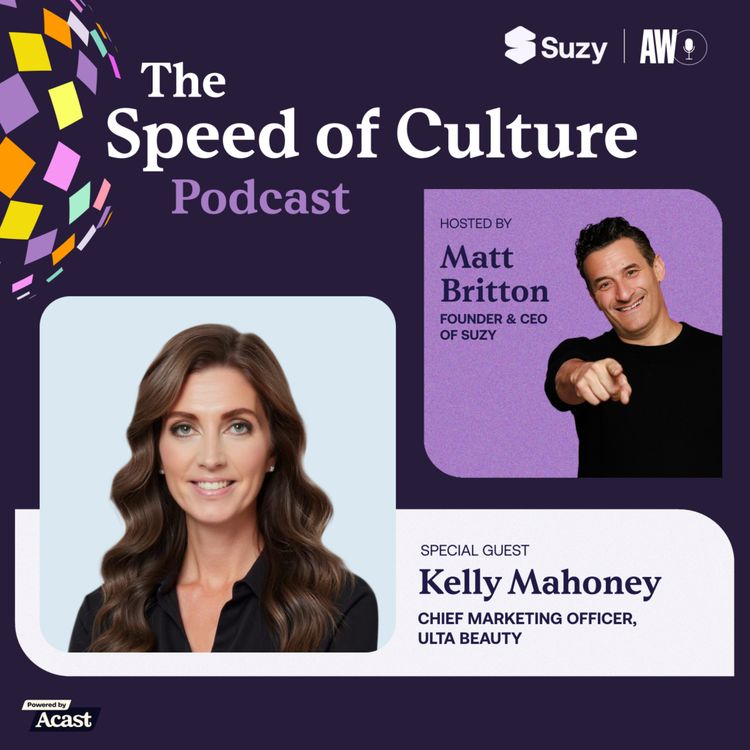
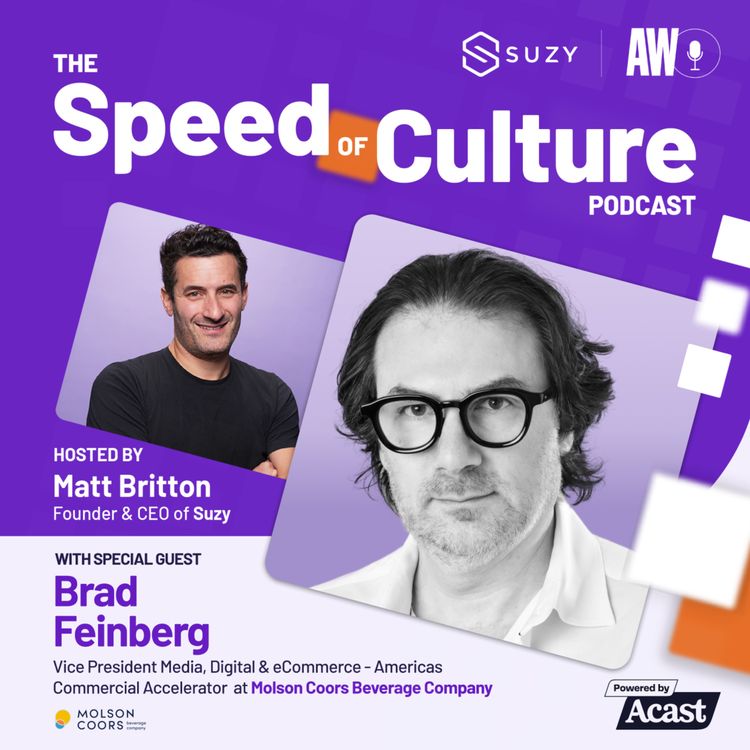
In December 2024, the marketing and beverage industry paused to listen as Brad Feinberg, North American VP of Media and Consumer Engagement at Molson Coors, sat down with Matt Britton, founder and CEO of Suzy, the AI-powered consumer intelligence platform, on The Speed of Culture Podcast. Their conversation revealed one of the most pressing challenges facing legacy brands today: how to honor decades of tradition while embracing the innovation necessary to remain culturally relevant.
Molson Coors, home to some of the most iconic beverage brands in North American history—Coors Light, Miller High Life, and Blue Moon—stands at a fascinating crossroads. With over 15 years of marketing experience, Feinberg has spearheaded a bold transformation that combines data-driven personalization with authentic cultural engagement.
His work demonstrates that the old dichotomy between tradition and innovation is a false choice. Instead, the most successful brands leverage both strategic heritage and cutting-edge technology to forge meaningful connections with today’s fractured consumer base.
The podcast conversation underscored a critical insight for marketing executives: in an era defined by accelerating cultural change and rapid technological adoption, the brands that survive and thrive are not those that choose between their legacy and their future. They are the ones that use AI-powered consumer intelligence, hyper-localized marketing strategies, and authentic cultural partnerships to remain essential to their audiences.
For Molson Coors, this philosophy has translated into pioneering approaches across media strategy, creator partnerships, product innovation, and consumer-first engagement—all while maintaining the brand authenticity that has made these products household names for generations.
Adapting Media Strategy for a Fragmented Landscape: From Broadcast Dominance to Omnichannel Excellence
The television landscape of the 1990s and 2000s—when NFL broadcasts and primetime shows could reach tens of millions of Americans simultaneously—seems almost quaint in 2024. Yet many legacy brands continue to allocate marketing budgets as if fragmented media consumption were merely a temporary blip.
Under Feinberg’s leadership, Molson Coors has rejected this outdated approach in favor of a genuinely adaptive strategy that honors the power of legacy channels while aggressively pursuing where consumers actually spend their time.
Live events remain cornerstone investments, particularly properties like the NFL. These platforms still deliver scale and prestigious brand associations that digital-only strategies cannot replicate. However, the company has simultaneously made significant reallocations to digital platforms, social media, and emerging channels where younger audiences—particularly Gen Z—engage with brands authentically.
This dual approach reflects a sophisticated understanding of how different demographic cohorts consume media and form brand preferences. The shift has required not just budget reallocation but cultural change within the organization.
Feinberg emphasized that evolution demands subordinating ego to data. It means acknowledging that a beloved television commercial might reach far fewer people in its intended demographic than a well-coordinated TikTok influencer campaign.
Marketing teams must become fluent in media science—moving beyond reach and frequency to understand attention metrics, engagement depth, and conversion pathways. For Molson Coors, this evolution has included building in-house creative capabilities and developing expertise in first-party data technologies.
Most importantly, the company recognizes that today’s fragmented media landscape is not a crisis but an opportunity—one that enables brands to reach highly specific audiences with precisely calibrated messaging.
The competitive advantage is substantial. In a world where consumer attention is the scarcest commodity, brands that allocate dollars dynamically, test continuously, and scale what works will maintain pricing power, brand equity, and customer lifetime value superiority.
The Creator Economy: Building Authentic Partnerships That Drive Culture and Sales
The rise of the creator economy represents one of the most significant shifts in how brands build customer relationships. Yet many organizations approach creator partnerships transactionally—as simple endorsement contracts tied to follower counts.
Molson Coors has taken a fundamentally different approach, recognizing that the most valuable partnerships are rooted in genuine alignment between brand values and creator authenticity.
Feinberg highlighted two exemplary partnerships: Patrick Mahomes and Lainey Wilson. These relationships succeed not simply because of their scale, but because their personal brands intersect naturally with Molson Coors’ target demographics and positioning.
Mahomes’ association with athletic excellence, leadership, and winning aligns with brands celebrating achievement and premium experiences. Wilson’s connection to country music, cultural pride, and community created an organic gateway to passionate audiences.
When Wilson’s partnership extended into her tour—where she became the visible face of the brand at live performances—the relationship transcended sponsorship. It became part of her story and her fan community’s experience.
This approach requires meaningful investment and long-term commitment. Yet it delivers disproportionate returns because the brand becomes woven into cultural meaning rather than simply attached to it.
For marketing executives, the principles are clear:
- Prioritize brand-creator alignment over follower count. Micro-influencers with trusted audiences often outperform opportunistic celebrity endorsements.
- Integrate into the creator’s value proposition. Move beyond adjacency and become part of the experience.
- Invest deeply in premium creators who authentically believe in your product. Transactional partnerships rarely build durable equity.
The creator economy has democratized influence and created opportunities to collaborate with cultural tastemakers in real time. Molson Coors’ willingness to build meaningful partnerships ensures continued relevance as creators rise and evolve.
Hyper-Localization Through AI: The Future of Personalization at Scale
One of the most compelling insights from the conversation was Molson Coors’ approach to hyper-localized marketing. Its portfolio spans diverse markets with distinct identities and regional pride.
Rather than imposing a one-size-fits-all approach, the company leverages advanced data analytics and AI to create campaigns that resonate locally while maintaining consistent global messaging.
The Dallas Cowboys partnership exemplifies this strategy. Instead of a generic sponsorship, Molson Coors created co-branded messaging tied directly to Dallas pride and the team’s cultural significance in Texas.
What’s innovative isn’t regional marketing itself—it’s the scale and velocity enabled by AI. The company can identify which regional events matter most, tailor messaging to local cultural contexts, and measure performance across dozens of campaigns simultaneously.
Event-specific packaging—such as festival-exclusive designs for Austin City Limits—turns sponsorship into a collectible cultural moment. Fans experience the brand as part of the celebration rather than an external advertiser.
This strategy requires integrating point-of-sale data, social listening, event attendance patterns, demographic databases, and consumer preference signals. Machine learning models help predict which packaging, messaging, and partnerships will resonate in specific markets.
The future of marketing is not choosing between local personalization and global scale. It’s applying AI to make personalization scalable, measurable, and repeatable.
Cultural Innovation Driven by Consumer Listening: From Social Insights to Category-Defining Products
Perhaps the most compelling element of Feinberg’s narrative was how Molson Coors transforms cultural insights into product innovation.
The creation of Happy Thursday, a non-carbonated beverage, emerged from observing consumers removing carbonation from hard seltzers on social media. This insight did not originate in a focus group—it came from real-time behavioral listening.
This reflects a philosophical shift. Historically, consumer goods companies relied on internal pipelines and assumptions. Molson Coors has made social listening and behavioral observation central to innovation.
Execution required multiple capabilities working together:
- Real-time social listening infrastructure.
- Agile product development cycles.
- Flexible brand architecture to avoid cannibalization.
- Distribution and supply chain agility to scale quickly.
Happy Thursday’s success demonstrated demand for flavor-forward beverages without carbonation’s bloating effect. More importantly, it signaled that Molson Coors is listening and willing to challenge category norms.
The lesson for innovation leaders is clear: the most valuable breakthroughs often emerge from disciplined observation of real consumer behavior, not internal brainstorming alone.
Health-Conscious Evolution: Expanding the Portfolio Without Abandoning Core Identity
Molson Coors’ expansion into non-alcoholic options—including Blue Moon 0.0 and Coors Edge—reflects a sophisticated response to shifting consumer health preferences.
As more consumers reduce alcohol consumption or explore sober lifestyles, the company views this not as cannibalization but as expansion.
Non-alcoholic versions of iconic brands allow consumers to enjoy familiar taste experiences while aligning with evolving preferences. They also broaden consumption occasions—weeknights, sporting events, or social gatherings.
This category expansion serves as a strategic hedge against long-term demographic shifts. If younger cohorts continue reducing alcohol consumption, Molson Coors remains positioned to serve them across life stages.
Rather than abandoning core identity, the company is reinforcing resilience through thoughtful portfolio diversification.
Key Takeaways
- AI-Powered Consumer Intelligence Drives Competitive Advantage. Advanced analytics and machine learning power marketing optimization, innovation, and segmentation.
- Authentic Creator Partnerships Outperform Transactional Endorsements. Genuine alignment delivers stronger engagement and ROI.
- Hyper-Localization at Scale Is the Future. AI and first-party data enable deeply relevant local marketing with global efficiency.
- Social Listening Transforms Innovation. Disciplined observation of consumer behavior fuels category-defining products.
- Portfolio Expansion Builds Resilience. Entering health-conscious and non-alcoholic segments strengthens long-term relevance.
Frequently Asked Questions
How Can Legacy Brands Compete With Digital-Native Companies in the Creator Economy?
Legacy brands have significant advantages if they move beyond transactional endorsements. They possess capital, distribution scale, and heritage credibility. The key is building genuine collaborations where the brand becomes part of the creator’s value story.
What Infrastructure Is Required to Execute Hyper-Localized Marketing at Scale?
Organizations need integrated data platforms, modular campaign architecture, and agile teams empowered to act in real time. This transformation represents a cultural shift as much as a technological one.
How Should Consumer Goods Companies Approach Portfolio Expansion Into Adjacent Categories?
Expansion should begin with disciplined consumer research identifying real unmet needs. Molson Coors’ moves into non-alcoholic and lower-alcohol segments address authentic demand while leveraging brand equity and distribution capabilities.
What Role Should Social Listening Play in Product Development?
Social listening should serve as a critical input—not the sole driver—of innovation. It surfaces emerging behaviors and unmet needs that traditional research may miss, but insights must be validated through testing and strategic alignment.
Looking Ahead: The Future of Marketing, Culture, and Consumer Connection
The conversation between Brad Feinberg and Matt Britton illuminated a fundamental truth about marketing in the 2020s: the brands that will thrive are those that master the intersection of human insight and technological capability.
Molson Coors’ evolution—from traditional media dominance to integrated social listening, creator partnerships, AI-powered personalization, and rapid product innovation—offers a compelling roadmap for legacy brands navigating a fragmented landscape.
For marketing executives, the imperatives are clear: invest in understanding real consumers, build partnerships rooted in alignment, scale personalization through technology, and remain flexible as preferences evolve.
The beverage industry is just one arena where these dynamics unfold. Across industries, the brands that will define the next decade are those that honor their heritage while remaining radically open to evolution.
Explore More
- Suzy — The AI-powered consumer intelligence platform
- The Speed of Culture Podcast — Explore episodes on culture, innovation, and business
- Generation AI — Matt Britton’s bestselling exploration of AI’s impact on the next generation
- AI Keynote Speaker — Bring Matt Britton’s insights to your organization
- Speaker HQ — Comprehensive speaking engagement and consulting services

%20(400%20x%20100%20px)%20(300%20x%2050%20px)%20(150%20x%2050%20px).avif)

.jpeg)


.jpeg)
.jpeg)