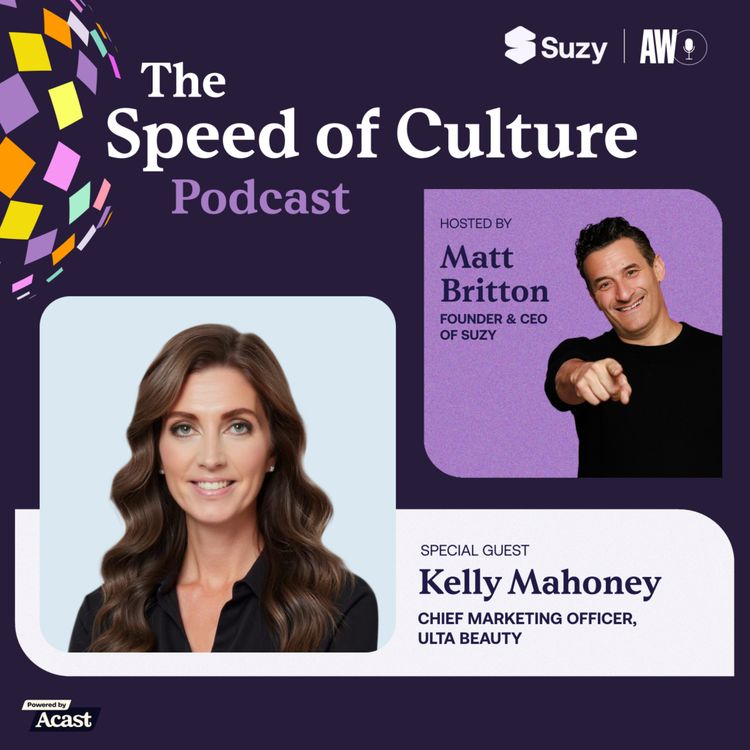
From Content to Commerce: How Hodinkee Transformed a Legacy Industry
In the watch industry—a world of century-old heritage brands, exclusive dealer networks, and tradition-bound marketing—a blogger with a passion for horology built something that transformed how an entire generation discovers, evaluates, and purchases timepieces.
Ben Clymer founded Hodinkee in 2008 as a fan site for watch enthusiasts. Today, it operates as an authorized dealer for 40 brands, generates over one million monthly visitors, and has been valued north of $100 million.
The Hodinkee story is not just about watches—it is about how content, community, and commerce converge to disrupt legacy industries from within.
Matt Britton, founder and CEO of Suzy, the AI-powered consumer intelligence platform, has repeatedly identified the content-to-commerce model as one of the most powerful competitive strategies in modern business. On The Speed of Culture podcast, Britton spoke with Clymer about how Hodinkee built a media and commerce empire in an industry that many assumed was impervious to digital disruption.
Clymer, dubbed “The High Priest of Horology” by The New York Times and a graduate of Columbia University's journalism program, shared insights on building authentic content that drives both community engagement and direct revenue.
For business leaders navigating industries where traditional distribution models and incumbent relationships define competitive dynamics, the Hodinkee playbook offers a blueprint for building new value through content-led disruption.
The Content-Community-Commerce Model
Hodinkee's success rests on a business model that has become one of the most studied and replicated frameworks in modern commerce: content creates community, community drives commerce, and commerce funds more content.
The virtuous cycle produces compounding returns that traditional advertising-to-sales models cannot match.
Clymer's approach to content was distinct from the start. Rather than covering watches through the lens of luxury aspiration—the approach that traditional watch publications and brands had employed for decades—Hodinkee focused on the history, engineering, and technological innovation behind timepieces.
This editorial philosophy attracted an audience that cared about horology as a craft rather than watches as status symbols. The distinction matters because audiences built around genuine interest are dramatically more engaged, more loyal, and more likely to purchase than audiences attracted by aspirational marketing.
Hodinkee's investment in content quality reflects this understanding. The company employs dedicated editors, photographers, and videographers who produce substantive material that respects the audience's intelligence.
As Clymer noted, the target audience knows what they want and does not need to be talked down to or sold luxury lifestyles.
This content-first philosophy created an audience of over one million monthly visitors before Hodinkee launched its commerce operations.
When the e-commerce platform debuted in 2012—initially selling straps, pouches, and travel rolls before expanding to watches—it launched into an engaged, trusting community rather than a cold audience. The conversion rates and customer lifetime values that result from this approach far exceed what traditional e-commerce customer acquisition methods produce.
For business leaders evaluating content marketing investments, Hodinkee demonstrates that content is not a marketing expense—it is a business model.
Luxury Goods as Alternative Assets
Clymer's conversation with Britton explored a trend with significant implications for luxury brands across categories: the emergence of collectible goods as alternative investment assets.
Fine timepieces from brands like Rolex, Patek Philippe, and Audemars Piguet have demonstrated appreciation of 100–300% over the past decade, transforming watches from lifestyle purchases into portfolio components.
This investment dynamic has attracted a new consumer demographic to the watch market. Hodinkee's average consumer is approximately 30 years old—significantly younger than the traditional luxury watch buyer.
These younger collectors enter the market not only for aesthetic appreciation but for the tangible asset security that physical collectibles provide, particularly during periods of stock market volatility and economic uncertainty.
The implications extend beyond the watch industry. Any luxury category where authenticity, scarcity, and craftsmanship create appreciating value—fine art, vintage automobiles, rare spirits, designer fashion—is subject to the same investment-driven consumer behavior.
Brands that understand and facilitate this dynamic by maintaining product quality, managing supply to preserve scarcity, and providing authentication and provenance documentation will benefit from dual demand drivers: consumption and investment.
Consumer intelligence gathered through platforms like Suzy enables luxury brands to understand how investment motivations are influencing purchasing behavior in real time, allowing them to calibrate product strategy, pricing, and marketing messaging accordingly.
As Britton has observed, the brands that recognize and serve the investment dimension of luxury consumption—without undermining the emotional and aesthetic dimensions—will capture disproportionate value from this growing consumer segment.
Digital Transformation in Traditional Industries
Hodinkee's journey from blog to authorized dealer illustrates how digital platforms can transform traditional industry structures.
The luxury watch industry historically operated through exclusive dealer networks, controlled distribution, and relationship-based sales processes that created high barriers to entry for new participants.
Digital platforms disrupted this structure by creating direct relationships between content creators and consumers that bypassed traditional intermediaries.
Clymer's content built trust and authority with consumers that traditional dealers—operating in physical locations with limited geographic reach—could not match at scale.
When Hodinkee transitioned from covering watches to selling them, the trust transfer from content to commerce was seamless because the audience had already validated Hodinkee's expertise and integrity through years of editorial engagement.
The pattern is replicable across industries. Financial services, real estate, healthcare, legal services, and numerous other sectors with traditional intermediary structures are vulnerable to the same content-led disruption.
Digital platforms that build expertise-based trust with consumers can eventually disintermediate traditional distribution by offering the same products or services within a more engaging, informative, and convenient experience.
For leaders in traditional industries, the lesson is urgent: content-led competitors are building consumer relationships today that will become commerce channels tomorrow.
Organizations that dismiss content creators as merely publishers rather than potential competitors are making the same mistake that traditional watch dealers made when they dismissed Hodinkee as just a blog.
Building a Media Company Inside a Commerce Company
One of the most strategic decisions Clymer made was maintaining Hodinkee's editorial quality and independence even as the commerce business grew.
Many content-to-commerce businesses face a tension: as commerce revenue grows, the pressure to convert editorial content into product promotion increases. When that conversion happens, the editorial credibility that attracted the audience erodes, and the entire model collapses.
Clymer navigated this tension by maintaining a clear separation between editorial and commerce operations while ensuring both benefited from shared audience intelligence.
The editorial team continued producing substantive coverage of the watch industry—including brands that were not Hodinkee retail partners—while the commerce team leveraged the audience engagement and trust that editorial content generated.
This approach requires organizational discipline and long-term thinking that many businesses struggle to maintain under short-term revenue pressure.
The temptation to compromise editorial integrity for immediate commerce revenue is constant. But the brands that resist this temptation—maintaining the content quality that built their audience even as they build commerce capabilities—create durable competitive advantages that purely transactional competitors cannot replicate.
As Britton explores in Generation AI, the emerging generation of consumers has particularly acute sensitivity to commercial manipulation of content.
Brands that maintain genuine editorial integrity while building commerce capabilities will earn the trust of consumers who have learned to distrust brands that disguise advertising as content.
What Hodinkee's Model Means for Every Legacy Industry
The Hodinkee playbook—deep expertise content that builds community, community trust that enables commerce, and commerce revenue that funds continued content excellence—is applicable to virtually any industry where expertise, authenticity, and community engagement drive purchasing decisions.
Consider the parallels: a financial education platform that builds trust through substantive content could become a marketplace for financial products. A health and wellness community built around expert content could evolve into a healthcare services platform. An automotive enthusiast media brand could transition into a vehicle marketplace.
In each case, the content-first approach builds the audience trust and engagement that traditional commerce operations spend enormous sums trying to acquire.
The content-to-commerce model does not replace traditional marketing—it builds a structural advantage that makes traditional marketing more effective.
Brands with established content audiences convert paid advertising at higher rates, achieve lower customer acquisition costs, and generate higher customer lifetime values because every consumer interaction occurs within a context of trust and expertise.
For business leaders evaluating strategic investments, content infrastructure deserves the same capital allocation consideration as technology infrastructure, physical infrastructure, and talent infrastructure.
The returns on content investment—measured through audience growth, engagement depth, commerce conversion, and customer lifetime value—compound over time in ways that campaign-based marketing investments do not.
Key Takeaways for Business Leaders
- Build content-community-commerce models that create virtuous cycles where content builds community trust, community engagement drives commerce, and commerce revenue funds continued content excellence.
- Recognize the investment dimension of luxury and collectible goods, serving consumers who evaluate products through both emotional and financial lenses with authentication, provenance, and scarcity management.
- Maintain editorial integrity even as commerce capabilities grow, resisting the pressure to convert content into product promotion that erodes the audience trust powering the entire business model.
- Evaluate digital content platforms as potential competitive threats to traditional distribution structures, recognizing that expertise-based trust with consumers eventually translates to commerce capability.
- Treat content infrastructure as a strategic investment comparable to technology or physical infrastructure, evaluating returns through audience growth, engagement depth, and customer lifetime value compounding.
Frequently Asked Questions
What is the content-to-commerce business model?
The content-to-commerce model builds audience trust through high-quality editorial content, develops community engagement around shared interests and expertise, and then introduces commerce capabilities to an audience that already trusts the brand's authority.
This approach produces higher conversion rates, lower customer acquisition costs, and greater customer lifetime value than traditional e-commerce because every transaction occurs within a context of established trust and expertise.
How are luxury goods becoming alternative investment assets?
Fine timepieces, rare collectibles, and luxury goods are increasingly evaluated by consumers as portfolio components alongside traditional financial assets.
Brands like Rolex and Patek Philippe have demonstrated 100–300% appreciation over the past decade, attracting younger collectors who view purchases through both aesthetic and investment lenses.
This dual motivation is expanding the luxury consumer base and influencing purchasing, pricing, and resale dynamics.
Can the Hodinkee model work in industries beyond watches?
The Hodinkee model is applicable to any industry where expertise, authenticity, and community engagement influence purchasing decisions.
Financial services, healthcare, automotive, real estate, and numerous other sectors contain opportunities for content-led disruption of traditional distribution structures.
The key requirements are genuine expertise, editorial integrity, audience trust, and patience to build community before monetizing through commerce.
How should legacy industries respond to content-led disruption?
Legacy industries should recognize content-led competitors as potential commerce threats rather than dismissing them as publishers or bloggers.
Established organizations should invest in their own content capabilities while leveraging their existing distribution and product advantages.
The most effective response combines the trust-building potential of content with the operational excellence and product access that established players already possess.
Looking Ahead
Ben Clymer's transformation of Hodinkee from a watch blog into a hundred-million-dollar commerce platform demonstrates the power of the content-community-commerce model in disrupting legacy industries.
For business leaders across every sector, the lesson is clear: expertise-based content is not a marketing expense—it is a business model with compounding returns.
Listen to the full conversation on The Speed of Culture podcast.
For insights on how digital disruption, consumer behavior, and AI are transforming business strategy, explore Matt Britton's speaking platform or his bestseller Generation AI.

%20(400%20x%20100%20px)%20(300%20x%2050%20px)%20(150%20x%2050%20px).avif)

.jpeg)


.jpeg)
.jpeg)