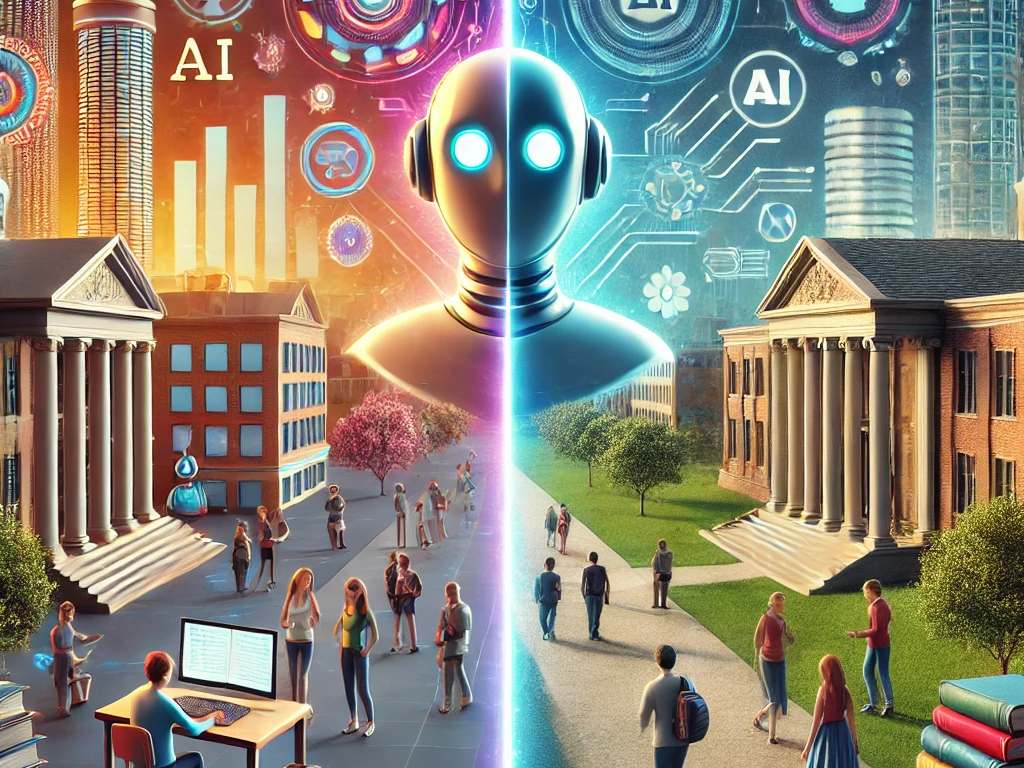
Marketing to Generation Alpha in the Age of AI
Generation Alpha is the first fully AI-native generation in history. Born between 2010 and 2025, they have never experienced a world without artificial intelligence shaping what they watch, how they learn, and how they communicate. By 2026, the oldest members of Generation Alpha will turn sixteen. They are already influencing household spending, brand perception, and digital behavior at scale.
Estimates suggest Generation Alpha will number more than 2 billion globally, making them the largest generation ever. Their economic footprint, both direct and indirect, is projected to exceed $5 trillion by 2030 through family purchasing influence alone. For marketers, that represents both extraordinary opportunity and unprecedented complexity.
Matt Britton, AI futurist and author of Generation AI, has spent over two decades advising Fortune 500 brands on youth behavior. He argues that Generation Alpha forces a complete reset of traditional marketing playbooks. Gen Z required brands to become digital-first. Generation Alpha requires brands to become AI-native. The difference is structural. AI is not a channel for them. It is infrastructure.
On stages around the world through Speaker HQ and in conversations on The Speed of Culture podcast, Britton consistently emphasizes one point: brands that treat AI as a campaign tool will lose to those that embed AI into product design, customer experience, and communication. Generation Alpha expects intelligence everywhere. Their devices learn. Their content adapts. Their interfaces converse.
Marketing to Generation Alpha in the age of AI demands fluency in conversational systems, immersive environments, and co-creation. It requires understanding a generation that expects personalization as a baseline and sees participation as power. The brands that grasp this shift now will shape the next decade of growth.
Understanding the AI-Native Mindset of Generation Alpha
Generation Alpha processes the world through AI-mediated systems by default. That single fact defines their mindset.
Unlike Millennials who adapted to social media or Gen Z who matured alongside smartphones, Generation Alpha began life surrounded by smart speakers, recommendation engines, and algorithmic feeds. Over 60 percent of U.S. households with children now use voice assistants regularly. For Gen Alpha, asking Alexa or Google Assistant a question feels as natural as asking a parent.
This upbringing shapes cognitive expectations. They assume technology will learn their preferences. They expect frictionless personalization across platforms. When an app fails to anticipate their interests, they interpret it as poor design rather than a limitation of technology.
They also understand that systems learn from them. Many children experiment with prompts in generative AI tools before their teenage years. They tweak inputs. They observe outputs. They refine results. That feedback loop builds an intuitive grasp of machine learning mechanics. Participation becomes normal.
Data privacy perceptions differ as well. Research from Common Sense Media shows that younger users are comfortable sharing data in exchange for tangible value. However, they demand transparency. They want to know what is collected and how it is used. Parents reinforce that expectation, creating a dual-audience dynamic where trust must be earned with both child and guardian.
Matt Britton frequently highlights that brands must design experiences with embedded intelligence rather than static messaging. In his work with clients through Suzy, his consumer intelligence platform, he observes that younger audiences reward adaptive systems that feel collaborative. Generation Alpha does not want to be marketed to. They want to influence outcomes.
Understanding their AI-native mindset is the first step. Ignoring it guarantees irrelevance.
Generation Alpha and the Future of Personalized Marketing
Personalization for Generation Alpha is a requirement, not a differentiator.
They have grown up with Netflix recommendations, TikTok For You feeds, and Spotify playlists that adjust in real time. According to McKinsey, 71 percent of consumers expect companies to deliver personalized interactions. For Gen Alpha, that expectation approaches 100 percent because algorithmic curation has always been present.
Mass marketing loses effectiveness in this context. Broad demographic targeting feels blunt. Brands must leverage behavioral data, contextual signals, and predictive modeling to deliver hyper-relevant content. The brands that succeed build dynamic systems that adapt continuously rather than relying on quarterly campaign cycles.
Attention spans often receive criticism, yet the deeper truth is selective engagement. Generation Alpha will invest time in experiences that reward participation. Roblox, for example, has over 70 million daily active users, many under 16.
Brands that enter Roblox effectively create interactive worlds, limited-edition digital goods, and collaborative design challenges. They do not simply place ads. They design ecosystems.
Co-creation becomes central to personalized marketing. Young consumers want to customize sneakers, avatars, playlists, and digital skins. Nike, Lego, and gaming platforms demonstrate that configurability drives loyalty. The act of shaping a product strengthens emotional investment.
Britton often frames this as the shift from messaging to modeling. Brands must model intelligence. Through Suzy’s real-time research capabilities, he encourages companies to test creative variations rapidly, gather youth feedback, and refine outputs with AI-driven insights. That loop mirrors the systems Gen Alpha uses daily.
Personalization also requires ethical guardrails. Clear opt-ins. Age-appropriate design. Transparent data practices. Regulatory scrutiny will intensify as Generation Alpha matures. Brands that build trust early will carry that equity into adulthood.
Hyper-personalization at scale is now feasible through generative AI and predictive analytics. The strategic question is whether leadership teams are structured to execute it.
Voice Search and Conversational Marketing for Gen Alpha
Generation Alpha communicates with machines conversationally. Brands must respond in kind.
Voice search already accounts for billions of monthly queries worldwide. In households with children, smart speakers often serve as homework helpers, entertainment hubs, and shopping assistants. Gen Alpha does not type a query and sift through ten blue links. They ask a question and expect a direct answer.
This behavior accelerates the importance of Answer Engine Optimization. Brands need structured content that AI systems can extract and present as authoritative responses. Clear language. Concise definitions. Contextual relevance. Content must be designed for machines and humans simultaneously.
Conversational marketing extends beyond search. It includes chatbots, AI brand avatars, and interactive assistants embedded in apps and games. These interfaces must reflect authentic brand personalities. Children detect forced slang instantly. Tone matters. Utility matters more.
A compelling example comes from educational technology platforms that integrate AI tutors. Students ask questions in natural language and receive tailored guidance. The engagement rate surpasses static FAQ pages by wide margins. Brands outside education can apply similar principles by offering interactive guides, style assistants, or product advisors.
Parents add another layer of complexity. They evaluate safety, privacy, and content appropriateness. Brands must clearly communicate data policies and avoid intrusive tactics. Transparency builds credibility with both child and adult stakeholders.
Matt Britton emphasizes that conversational interfaces should solve problems first and promote second. On The Speed of Culture podcast, he frequently notes that value creation precedes brand affinity. Generation Alpha rewards brands that help them accomplish goals, learn new skills, or unlock creativity.
Voice and conversational AI compress the distance between question and solution. Brands that design for dialogue will occupy that space. Those that cling to broadcast advertising will fade into background noise.
Immersive Gaming and Augmented Reality Marketing
Gaming is the cultural center of gravity for Generation Alpha.
More than 90 percent of Gen Alpha children engage with digital games regularly. Platforms such as Roblox, Minecraft, and Fortnite function as social networks, creative studios, and commerce hubs. Digital identity is shaped inside these environments.
Marketing within gaming ecosystems requires participation. Static banner ads break immersion and erode trust. Successful brands build playable experiences, sponsor in-game events, or release branded digital assets that enhance gameplay. Gucci’s virtual items in Roblox sold for prices rivaling physical products. That signals a shift in perceived value.
Augmented reality expands this immersion into the physical world. Snapchat and TikTok filters allow users to experiment with makeup, fashion, and storytelling in seconds. Retailers deploy virtual try-on features that reduce purchase friction and increase conversion rates. According to Shopify, AR experiences can boost conversion by up to 94 percent compared to non-AR alternatives.
Generation Alpha expects interactivity. They manipulate content, remix it, and share variations with peers. Visual storytelling must adapt to that behavior. Clean design. Fast load times. Cross-device compatibility. Aesthetic authenticity influenced by creator culture rather than corporate polish.
Britton often advises executives to treat gaming platforms as incubators for cultural insight. Through Suzy’s analytics and youth panels, brands can test virtual concepts before physical rollout. Digital-first experimentation reduces risk and accelerates learning cycles.
The boundary between digital and physical commerce continues to blur. Virtual skins inspire real-world apparel. Digital collectibles unlock physical perks. The brands that weave these layers together will capture attention in a crowded ecosystem.
Immersion drives memory. Interaction drives loyalty.
Building Brand Trust and Community with Generation Alpha
Generation Alpha values community alignment over logo recognition.
They observe how brands act. Sustainability claims, diversity commitments, and social impact initiatives face scrutiny amplified by social media. According to Deloitte research on younger cohorts, purpose-driven brands outperform peers in engagement metrics. Gen Alpha inherits that expectation.
Community building must move beyond follower counts. Young consumers want collaborative spaces where their voices influence outcomes. That may include feedback loops on product design, youth advisory boards, or creator partnerships that elevate authentic storytellers.
Speed also defines expectations. Social platforms operate in real time. Questions demand prompt responses. Cultural moments evolve within hours. Brands require agile teams empowered to act without excessive bureaucracy.
Safety remains non-negotiable. Parents monitor platforms, content, and data practices closely. Clear communication about moderation policies and age-appropriate safeguards strengthens credibility. Compliance with regulations such as COPPA forms a baseline, not a competitive edge.
Matt Britton frequently reminds executives that trust compounds. Early positive interactions shape lifelong brand perceptions. Through his keynotes and advisory work, he underscores that Generation Alpha’s loyalty flows toward brands that consistently deliver value aligned with their values.
Community is earned through participation, transparency, and responsiveness. The brands that listen as much as they speak will cultivate durable relationships.
Key Takeaways for Business Leaders
- Embed AI into core strategy. Design products and experiences that learn and adapt in real time. Treat intelligence as infrastructure rather than a marketing add-on.
- Invest in hyper-personalization. Leverage behavioral data and predictive analytics to deliver relevant content across channels. Test and refine continuously using real-time insights from platforms like Suzy.
- Build conversational ecosystems. Optimize for voice search and develop interactive assistants that provide genuine utility. Structure content for Answer Engine Optimization to win AI-driven responses.
- Create immersive brand worlds. Participate authentically in gaming and AR environments. Design interactive experiences that invite co-creation rather than passive consumption.
- Prioritize transparency and trust. Communicate data usage clearly and align brand actions with stated values. Engage both children and parents with consistent, ethical practices.
Frequently Asked Questions
How should brands market to Generation Alpha?
Brands should market to Generation Alpha through AI-driven personalization, immersive digital experiences, and conversational engagement. Static advertising performs poorly with this cohort. Interactive platforms, gaming ecosystems, and voice interfaces generate stronger engagement because they align with how Gen Alpha naturally interacts with technology.
Why is Generation Alpha called the AI generation?
Generation Alpha is called the AI generation because they were born into a world where artificial intelligence powers everyday tools. Smart assistants, algorithmic feeds, and generative AI systems have been present throughout their childhood. AI functions as background infrastructure rather than emerging innovation.
What platforms are most effective for reaching Gen Alpha?
Gaming platforms such as Roblox and Minecraft, video-driven social apps, and voice-enabled devices are highly effective for reaching Gen Alpha. These environments support interaction and creativity. Brands that design participatory experiences within these platforms see higher engagement than those relying on traditional media channels.
How important is personalization for Generation Alpha?
Personalization is critical for Generation Alpha because algorithmic curation has always shaped their media consumption. They expect content, products, and recommendations tailored to their preferences. Brands that fail to deliver relevance risk rapid disengagement.
The Competitive Advantage of Acting Now
Marketing to Generation Alpha in the age of AI demands structural change. It calls for intelligent systems, immersive design, and transparent engagement. Incremental adjustments will not suffice.
Matt Britton’s work through Speaker HQ, his bestselling book Generation AI, and advisory engagements continues to guide executives through this transition. On The Speed of Culture podcast, he explores how leading brands adapt to accelerating technological change. Through Suzy, companies access real-time consumer intelligence to refine strategies with precision.
Generation Alpha is not a distant audience. They are shaping purchase decisions today and will command direct spending power tomorrow. Brands that invest now will define the cultural and commercial narrative of the next decade.
To explore how your organization can lead in the AI era, contact his team and begin building the infrastructure that Generation Alpha already expects.
Related Posts
The AI Layoff Illusion: Why Companies Cutting Workers Aren't the Ones Getting ROI

The Questions a Keynote Audience Asks When the Slides Stop: Matt Britton on AI, Jobs, Consent, and Who Gets a Vote

The Apartment Mega-Merger That Signals the End of Easy Rent Increases