
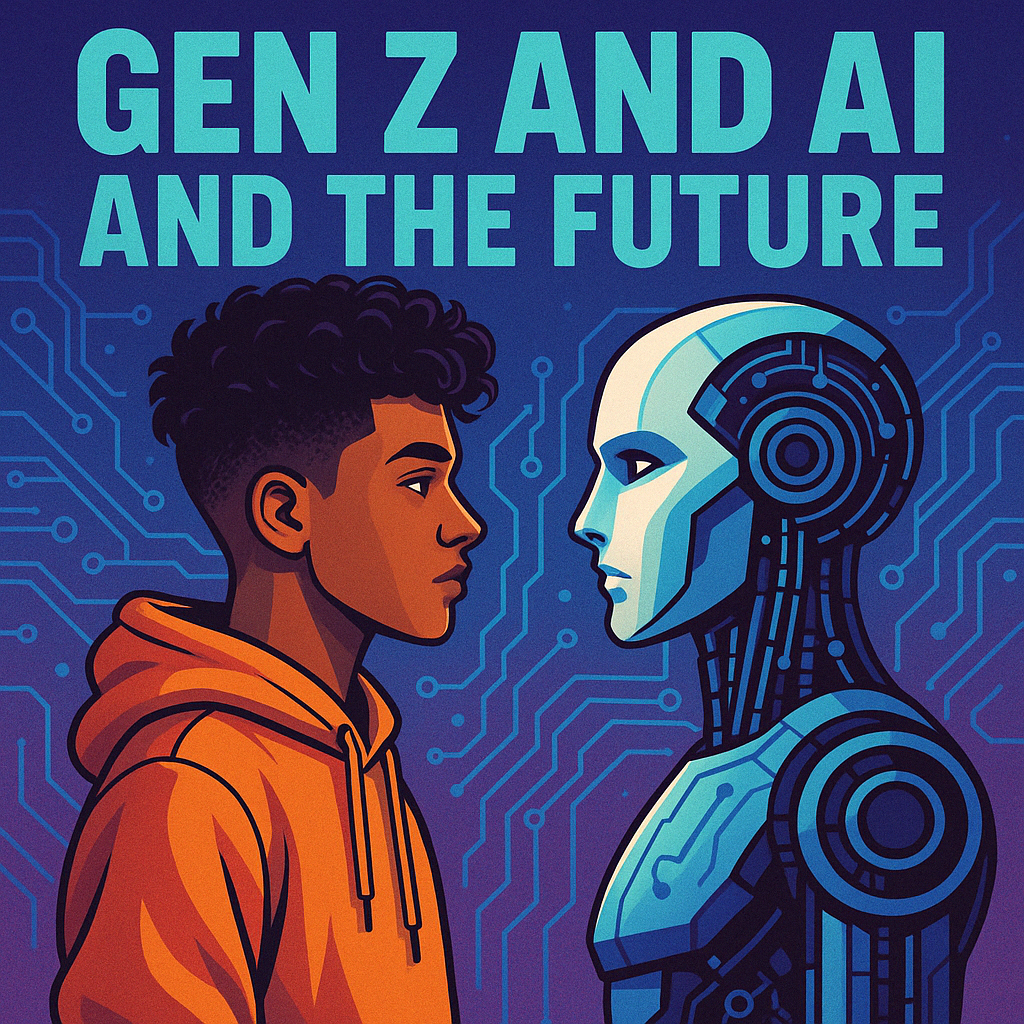
The Future Isn’t Coming It’s Here What Every Leader Must Know About AI and Gen Z
In today's fast-paced world, embracing AI is crucial. It offers tools to understand and engage with Gen Z effectively. This young cohort has grown up with technology and expects seamless digital interactions.
The future of leadership is already here. It's a blend of artificial intelligence (AI) and Generation Z (Gen Z).
It's not just about technology. It's about a new generation of consumers.
Gen Z, the digital natives, are now entering the workforce. They bring with them new expectations and behaviors.
AI, on the other hand, is revolutionizing how we do business. It's enabling personalized experiences and predictive insights.
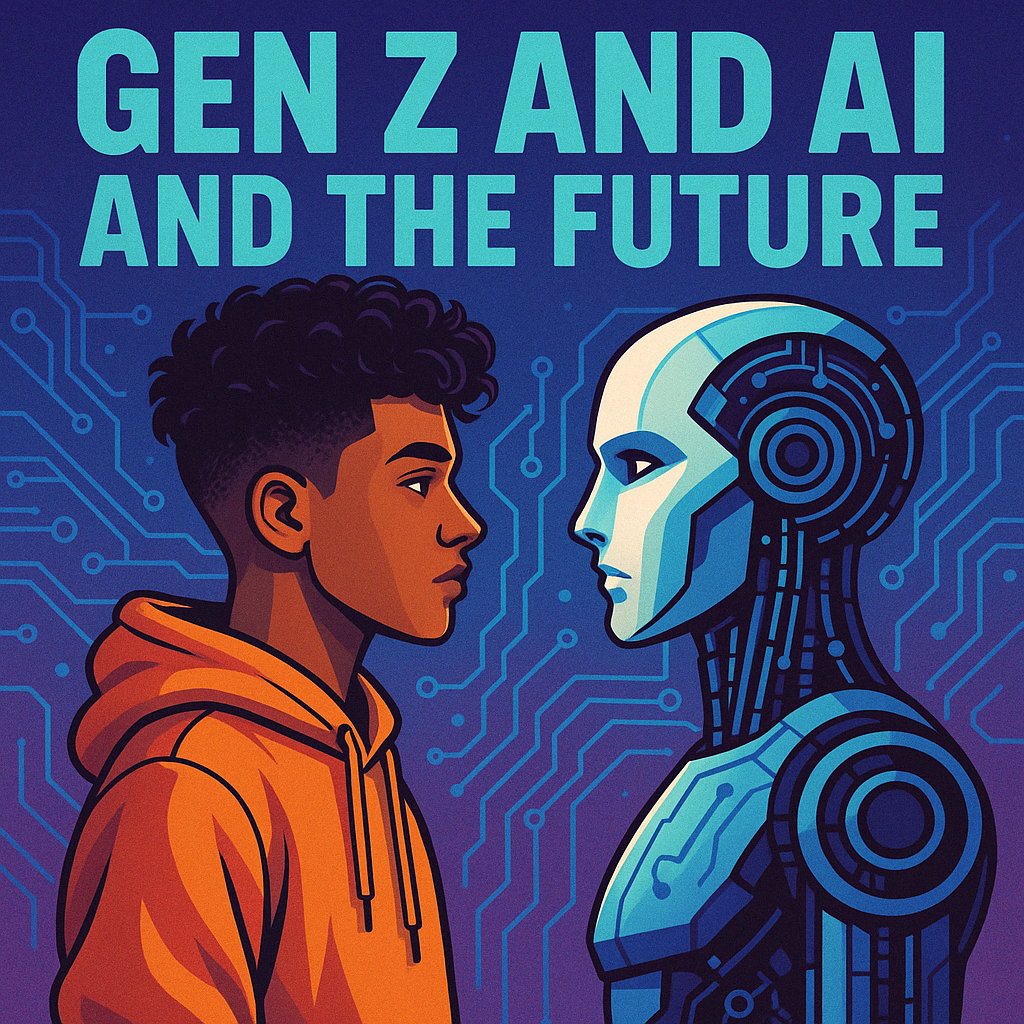
This article will guide you through this new landscape. It will provide actionable insights to help you leverage AI and Gen Z leadership. The goal? To build brand awareness, engage customers, and drive profitable growth. Let's dive in.
Embracing AI in the Age of Gen Z
In today's fast-paced world, embracing AI is crucial. It offers tools to understand and engage with Gen Z effectively. This young cohort has grown up with technology and expects seamless digital interactions.
AI enables businesses to meet these expectations by offering personalized experiences. Imagine predicting what a customer needs before they even ask. That is the power of AI.
Startups can leverage AI to streamline marketing efforts. Automated processes not only save time but also enhance accuracy. These efficiencies result in better resource allocation and sharper focus on strategic work.
AI also offers predictive insights that can forecast market trends. This foresight enables businesses to adapt quickly, staying ahead of competitors. It's a tool for not just understanding, but anticipating Gen Z's dynamic behavior.
Being tech-savvy is no longer an option but a necessity. Startups that incorporate AI into their strategies stand to benefit immensely. They will create more engaging, tailored experiences that Gen Z values.
Understanding Gen Z: The Digital Natives
Gen Z is unlike any generation before them. Born into a digital world, they are always connected. They navigate multiple platforms with ease and expect the same from brands.
To capture their attention, brands must be authentic and socially conscious. Traditional advertising methods fail to resonate with this group. Experiences and values matter more than just products.
Understanding Gen Z means recognizing their values and preferences. They value diversity, inclusion, and sustainability. Brands that align with these principles can earn their loyalty.
Real-time interaction is key to engaging this generation. Gen Z appreciates quick responses and hates waiting. For businesses, this means adopting agile strategies for communication.
AI: The Game Changer for Personalized Marketing
AI is transforming marketing from a one-size-fits-all approach to a tailored experience. It can analyze vast amounts of data to extract key insights. This analysis helps in creating personalized marketing strategies.
Imagine sending customized product recommendations based on previous purchases. AI can do that and much more. It's about delivering what the customer didn't know they needed.
Personalization goes beyond just recommendations. AI helps in crafting targeted email campaigns. It ensures that messages reach the right audience at the right time.
The use of AI in marketing also enhances customer service. Chatbots and virtual assistants are now sophisticated enough to handle complex queries. They offer support that is always available, meeting Gen Z's demand for instant gratification.
Incorporating AI into marketing strategies can boost ROI significantly. It optimizes resources and refines engagement strategies, yielding improved results. For startups, this can be a game changer in building a strong digital presence.
Innovative Leadership: Adapting to New Consumer Expectations
Innovative leadership is about embracing change and being forward-thinking. As consumer expectations evolve, leaders must adapt quickly. Gen Z prioritizes authenticity and social consciousness, requiring leaders to realign their strategies accordingly.
Fostering a culture of continuous learning is crucial. As new technologies and trends emerge, staying informed ensures competitiveness. Leaders who cultivate a learning environment inspire teams to innovate.
Technology plays a pivotal role in navigating new consumer landscapes. Utilizing digital tools to gather data and derive insights is imperative. Such tools aid in understanding shifting preferences and crafting responsive strategies.
Moreover, collaboration with Gen Z employees can provide valuable perspectives. Their insights into peer expectations can guide strategy development. By harnessing this youthful energy, leaders can forge stronger, more inclusive connections with consumers.
The Role of Youth Leadership in Shaping the Future
Youth leadership holds immense potential in driving change. Gen Z, entering the workforce, brings fresh ideas and perspectives. Their digital savviness makes them vital assets to any organization.
Empowering young leaders fosters innovation and creativity. They challenge the status quo and push boundaries. This dynamism is essential for addressing modern challenges.
Organizations must nurture these emerging leaders to realize their full potential. By offering opportunities for growth, companies can harness their unique insights. In doing so, they ensure a more adaptive and forward-thinking corporate culture.
Keynote Insights: Learning from the Experts
Listening to industry experts provides invaluable learning opportunities. Keynote speakers shed light on emerging trends in digital marketing. Their expertise can guide organizations in implementing successful strategies.
These speakers often emphasize the significance of AI and understanding Gen Z. Their insights help companies stay ahead of the curve. Adopting such wisdom enables more effective engagement with digital natives.
Furthermore, keynotes can inspire businesses to innovate. By learning from those who have succeeded, startups can refine their strategies. In a rapidly changing market, this knowledge is crucial for sustained growth.
Strategies for Engaging Gen Z
Successfully engaging Gen Z requires a nuanced approach. With their distinct preferences, brands must be agile and attentive. Understanding what resonates with this generation is key.
Social media is pivotal in reaching Gen Z audiences. It's where they spend a significant portion of their time, engaging with content. Therefore, a robust social media strategy is essential.
To connect meaningfully, brands should focus on authenticity and transparency. Gen Z values brands that align with their beliefs and values. Here are some strategies to consider:
Prioritize authentic storytelling to build connections.
Use AI tools for personalized content recommendations.
Engage with user-generated content to enhance community feel.
Real-time interactions can also enhance engagement levels. Gen Z expects quick responses and dynamic interactions. Implementing chatbots can ensure timely communication.
Finally, collaboration with Gen Z influencers can amplify reach. Influencers can lend credibility and foster a sense of relatability. They bridge the gap between brands and their target consumers.
Leveraging Social Media and Influencer Marketing
Social media platforms are a gateway to engage Gen Z consumers. They're interactive spaces where brands can showcase their personality. Utilizing these channels effectively can lead to increased brand loyalty.
Influencer marketing magnifies this effect. Gen Z trusts influencers' recommendations due to perceived authenticity. By partnering with the right influencers, brands can expand their reach and credibility.
For maximum impact, brands must align with influencers who reflect their values. Authentic partnerships resonate more with Gen Z. This alignment ensures that promotional content feels genuine and not forced.
Content Creation: Video, UGC, and AI-Generated Material
Video content remains a powerful tool for capturing Gen Z attention. Engaging and visually appealing videos can lead to higher engagement rates. Brands should focus on short, impactful videos to convey their messages.
User-generated content enhances brand trust and authenticity. Encouraging consumers to share their experiences fosters community. It's a genuine way for brands to engage and showcase real stories.
AI is revolutionizing content creation by offering new opportunities. AI tools can help generate personalized materials efficiently. This innovation allows brands to cater to Gen Z's desire for tailored experiences without extensive resource use.
Building Trust and Authenticity with Gen Z
Gen Z prioritizes authenticity in their interactions with brands. To build trust, companies must be transparent and genuine. This generation values honesty over polished advertising.
Establishing a community with shared values can enhance brand loyalty. Engaging directly with consumers fosters connections and encourages advocacy. Genuine interactions create a base for long-term relationships.
Consistency across all communication channels also strengthens trust. A unified brand voice makes businesses more relatable and credible. Consistent messaging reinforces the brand's identity, which resonates well with Gen Z.
Data Privacy and Ethical AI Usage
Gen Z is particularly concerned about data privacy. They value transparency regarding how brands use their data. Ensuring privacy practices are clearly communicated can foster trust.
Ethical use of AI is crucial in maintaining this trust. Brands should be transparent about AI's role in their operations. Providing clear information about data handling reassures Gen Z consumers.
Moreover, responsible AI usage involves respecting user data rights. Employing AI ethically ensures consumer protection. This respect for privacy is not just preferred but a baseline expectation for Gen Z.
Sustainability and Social Responsibility: Non-Negotiable for Gen Z
Sustainability is a significant consideration for Gen Z. They expect brands to take active roles in environmental conservation. Demonstrating commitment to sustainability can drive consumer engagement.
Social responsibility is equally vital. Gen Z supports brands that engage in socially conscious practices. These endeavors can differentiate brands in a crowded market.
Incorporating these values into brand strategy enhances appeal. It's not just a business choice; it's a demand from informed consumers. Brands that align with these principles can expect deeper loyalty from Gen Z.
Conclusion: The Intersection of AI and Gen Z Leadership
AI and Gen Z leadership are shaping the future of marketing. Together, they offer dynamic opportunities for those ready to adapt.
Startup founders who leverage these forces can achieve sustainable growth. Embracing these trends will unlock new realms of innovation and engagement.
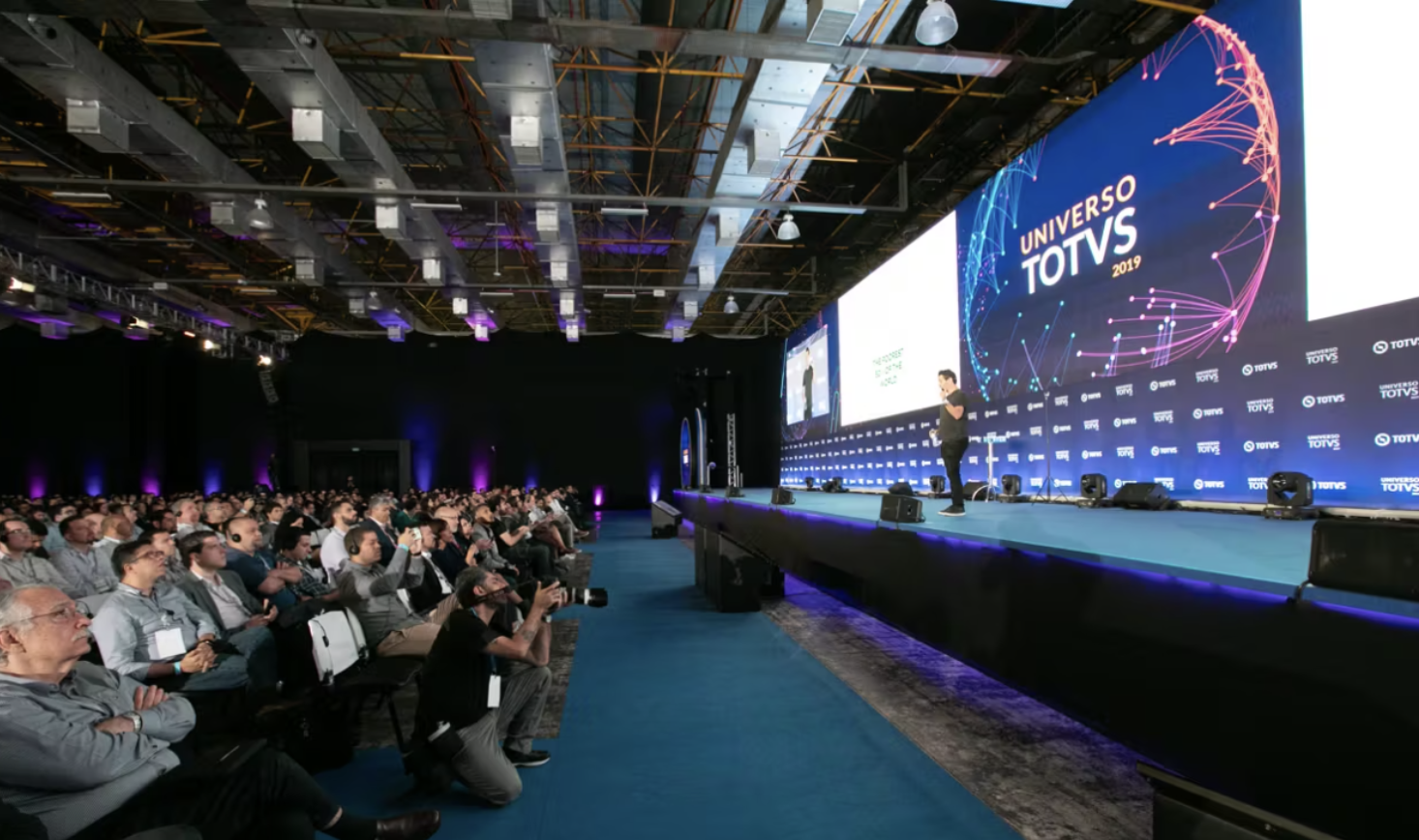
Matt Britton | Keynote Speaker on Artificial Intelligence | Unlocking the Potential of This Cutting-Edge Technology
Unlock the Power of Artificial Intelligence with Matt Britton. Discover the Latest Trends, Applications, and Insights in Machine Learning, Natural Language Processing, Robotics, and More.
Matt Britton is an AI thought leaders at the vanguard of this transformative technology. With his expertise, knowledge, and captivating presentations, he has the ability to transform your events, inspire your audience, and spark meaningful dialogue.
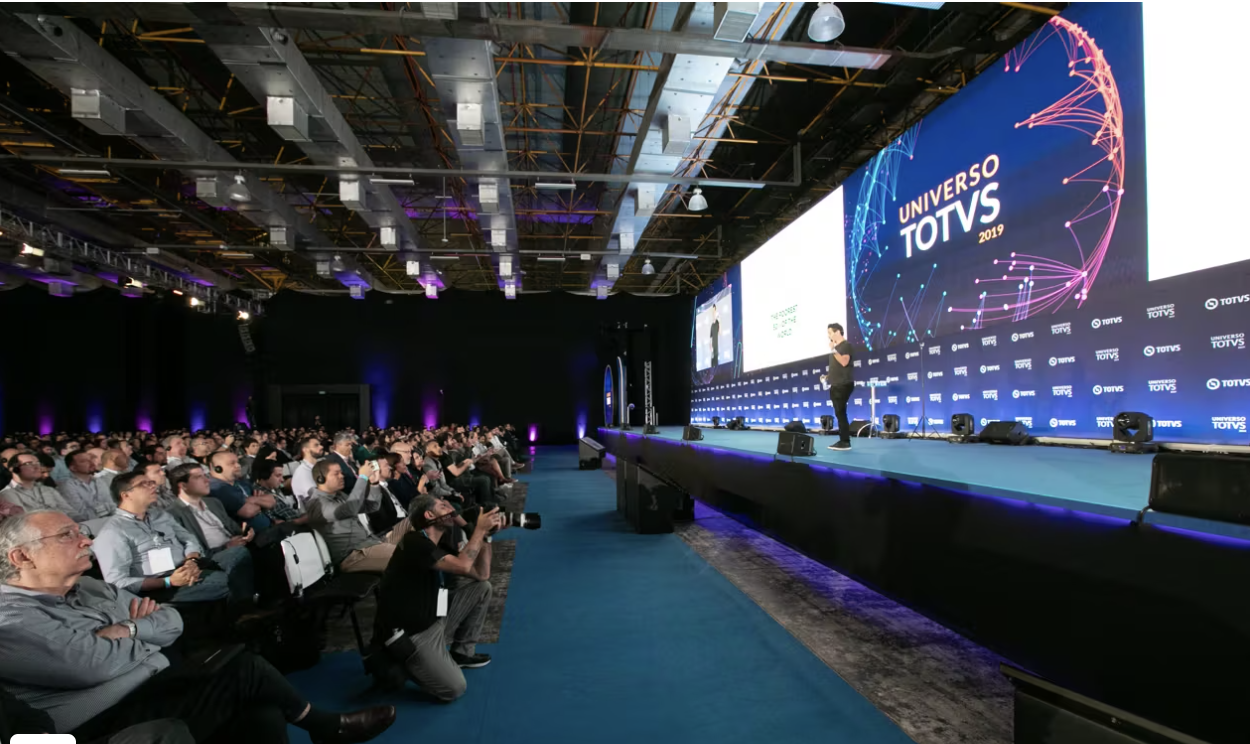
The Advancement of Artificial Intelligence
Artificial Intelligence has emerged as the propelling force behind ground-breaking innovations in a variety of industries. From healthcare to finance to manufacturing to entertainment, artificial intelligence is reshaping how we live, work, and interact with technology. Understanding the potential of AI has become a necessity for businesses seeking to maintain a competitive advantage in the digital age.
Matt commands a rare combination of technical knowledge and exceptional communication abilities. These influential individuals have devoted their careers to understanding the complexities of AI and its applications. By reserving an AI speaker for your event, you grant your audience access to a wealth of insights and knowledge that can give them a competitive advantage.
Entertaining and Informative Presentations
Matt is renowned for his ability to captivate audiences and deliver thought-provoking presentations. Through engaging narratives and real-world examples, he demystifies complex AI concepts and make them accessible to all attendees, regardless of their technical expertise.
Investigating AI Applications
Matt’s AI keynotes cover a broad spectrum of topics, allowing you to select the ideal fit for your event's theme and audience. Here are a few of the areas in which he has delivered o in the past:
Artificial Intelligence and Deep Learning
Machine learning and deep learning are important components of artificial intelligence that allow computers to learn and make intelligent decisions without explicit programming. These techniques are revolutionizing numerous disciplines, including healthcare, finance, and customer service, as discussed by our speakers.
The processing of natural language
Natural Language Processing (NLP) is a subfield of artificial intelligence concerned with enabling machines to comprehend, interpret, and respond to human language. Our AI presenters highlight the extraordinary advancements in NLP, including virtual assistants like Siri and Alexa, language translation tools, and sentiment analysis applications.
Robotics and Automated Systems
The concept of AI-powered machines is no longer limited to science fiction. They are integrating into industries like manufacturing, logistics, and healthcare. Our speakers discussed the most recent developments and trends in robotics and automation, shedding light on how these technologies are transforming traditional processes and enhancing productivity.
Ethics and prejudice in AI
As artificial intelligence becomes more pervasive in our daily lives, it is essential to address the ethical implications and biases associated with its applications. Our AI speakers engage in thought-provoking conversations, raising awareness of the significance of responsible AI development and the need for diverse, inclusive datasets.
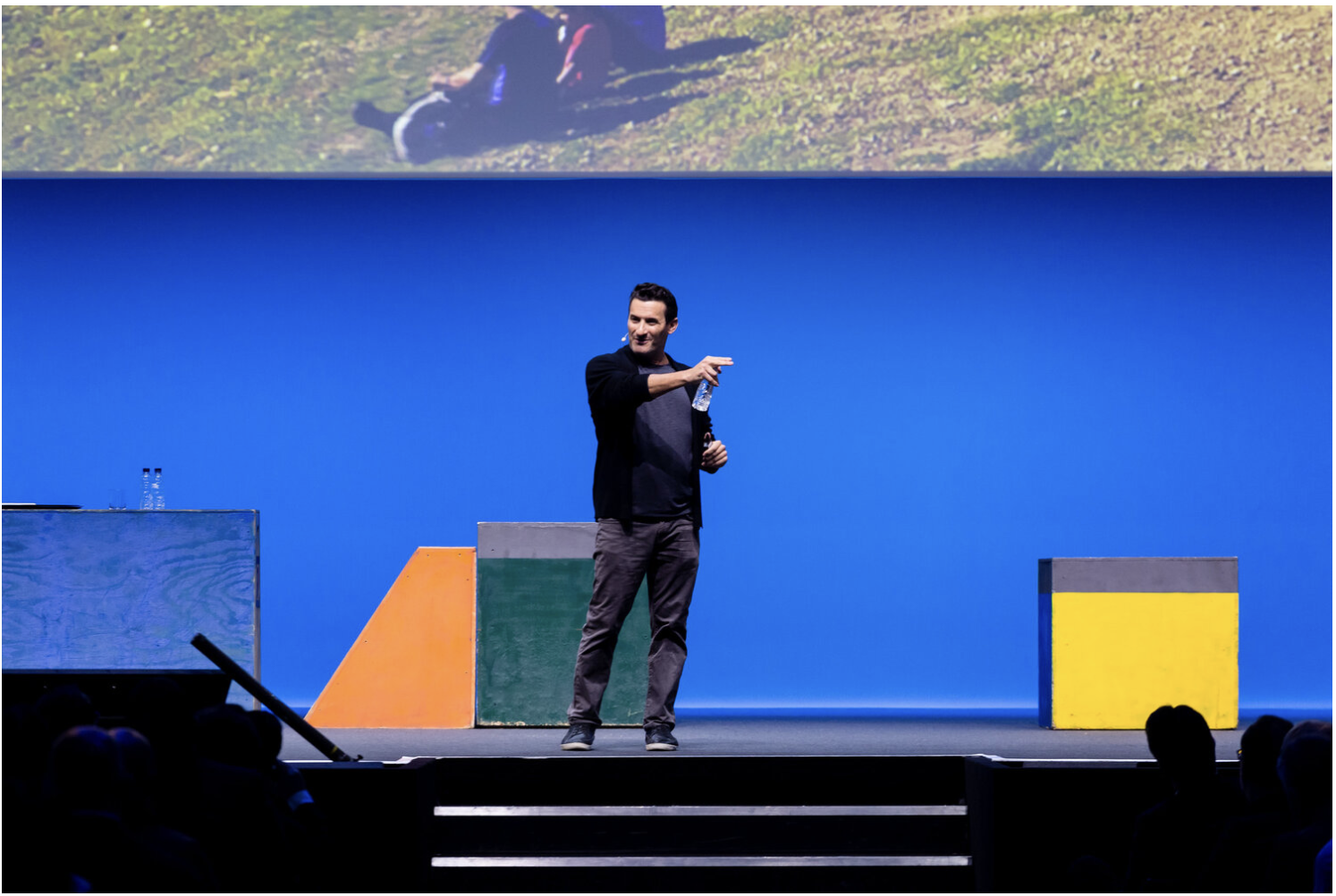
Why Should You Hire Matt Britton As A Keynote Speaker On Artificial Intelligence (AI)
Are you searching for a dynamic and engaging keynote speaker on AI? Look no further than Matt Britton. With expertise in machine learning, millennials, Gen Z, and the Suzy platform, Matt brings a wealth of knowledge and practical insights to his presentations. Discover why you should hire Matt Britton and unlock the potential of AI in your organization. Contact us now to book Matt Britton for an inspiring keynote speech on AI.
In today's rapidly evolving technological landscape, AI (Artificial Intelligence) has become a key driver of innovation and disruption across industries. As businesses strive to stay ahead in this AI-driven world, they need expert insights and guidance to navigate the challenges and opportunities it presents. That's where Matt Britton, a renowned keynote speaker on AI, comes in. With his deep understanding of machine learning, millennials, Gen Z, and the Suzy platform, Matt Britton is the ideal choice to inspire, educate, and motivate your audience. In this article, we will explore the reasons why you should consider hiring Matt Britton as your keynote speaker on AI.
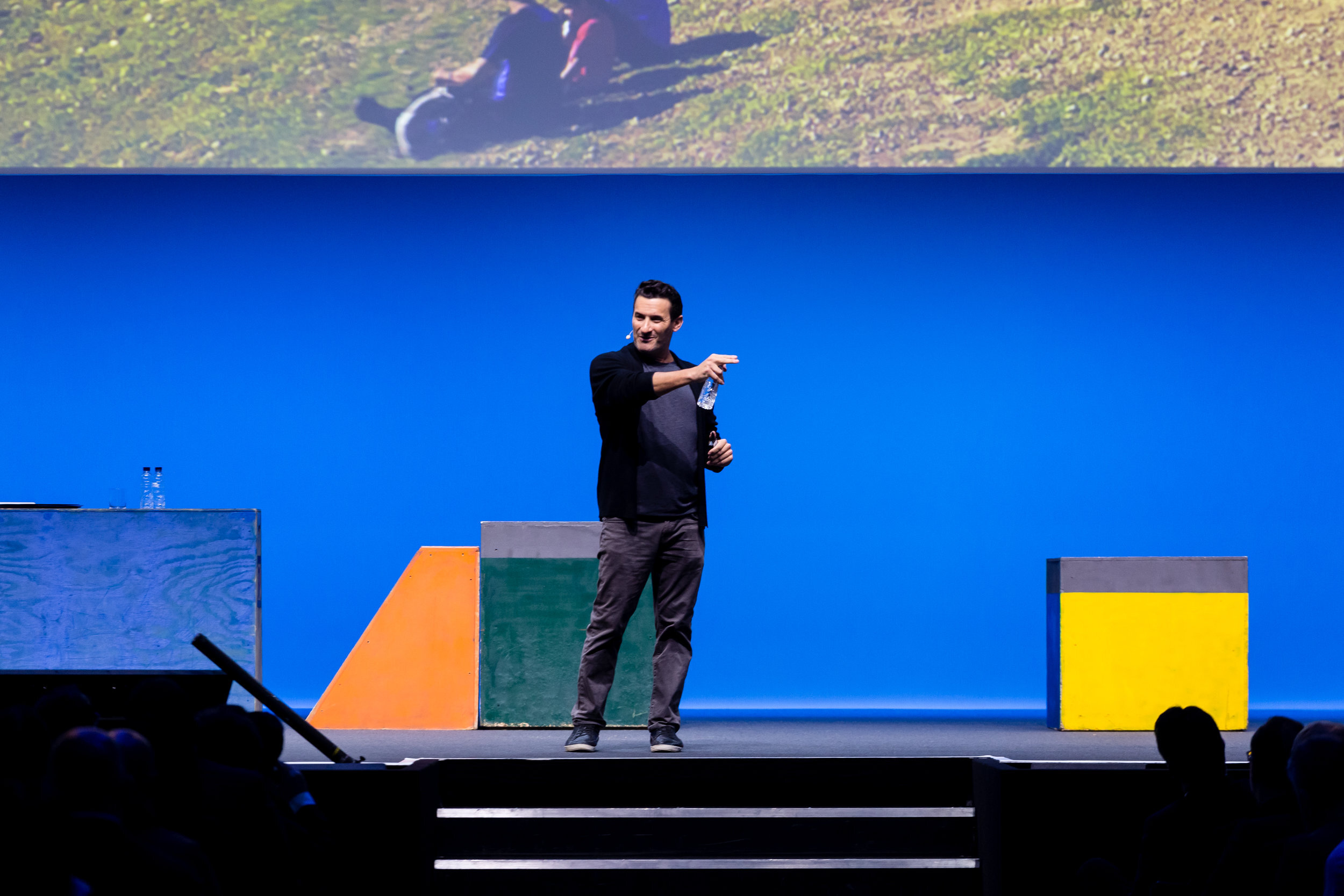
The Importance of AI in Today's World
Understanding the Impact of AI
Artificial Intelligence has permeated various aspects of our lives, from virtual assistants on our smartphones to autonomous vehicles and advanced data analytics. It is revolutionizing industries such as healthcare, finance, marketing, and manufacturing, among others. As AI continues to shape our future, staying informed and up-to-date with the latest trends and insights is crucial for organizations seeking to remain competitive.
Introduction to Matt Britton
Matt Britton is a renowned expert in the field of AI and its intersection with marketing, consumer behavior, and generational insights. As the founder and CEO of Suzy, a leading consumer intelligence platform, Matt has extensive experience harnessing the power of AI to drive actionable insights for businesses.
Matt Britton's Background in AI
With a background in marketing and a keen interest in understanding the impact of emerging technologies on consumer behavior, Matt Britton has become a sought-after keynote speaker on AI. His expertise lies in connecting the dots between machine learning, millennials, Gen Z, and the Suzy platform, enabling businesses to unlock the full potential of AI in their marketing strategies.
Engaging and Informative Keynote Speeches
Keynote Speaking Skills
Matt Britton possesses exceptional keynote speaking skills that captivate and engage audiences. His ability to convey complex AI concepts in a simple and relatable manner sets him apart. Matt's presentations are carefully crafted to educate, entertain, and inspire attendees, leaving a lasting impact long after the event concludes.
Engaging the Audience with AI Insights
During his keynote speeches, Matt Britton shares valuable insights on AI, drawing from his experience in the industry. He presents real-world examples and case studies that demonstrate the practical applications of AI and its impact on consumer behavior. Matt's engaging storytelling style and relatable anecdotes ensure that the audience remains enthralled throughout his presentation.
Connecting with Millennials and Gen Z
Matt Britton's Understanding of Millennials and Gen Z
As the first generation to grow up in a digitally connected world, millennials and Gen Z have unique perspectives and expectations. Matt Britton's deep understanding of these generations allows him to connect with them on a personal level. He incorporates their values, aspirations, and behaviors into his keynote speeches, making them highly relatable and resonant.
Bridging the Gap with AI
Matt Britton recognizes the potential of AI in bridging the gap between businesses and millennials/Gen Z. He highlights how AI can enable personalized marketing experiences, enhance customer engagement, and create authentic connections with these influential demographics. Through his keynote speeches, Matt equips organizations with the knowledge and strategies needed to harness AI's power effectively.
The Suzy Platform and Matt Britton's Insights
Introducing Suzy and its Importance
Suzy, the consumer intelligence platform founded by Matt Britton, leverages AI to provide real-time insights into consumer behavior, preferences, and market trends. It empowers businesses to make data-driven decisions and stay ahead of the competition.
Matt Britton's Expertise with Suzy and AI
As the driving force behind Suzy, Matt Britton possesses in-depth knowledge of the platform's capabilities and its synergy with AI. He shares practical insights on how businesses can leverage Suzy's AI-powered analytics to gain a competitive edge. Matt's expertise enables organizations to unlock the full potential of the Suzy platform and achieve their marketing objectives.
Testimonials and Success Stories
Client Testimonials
Matt Britton's expertise as a keynote speaker on AI is evident from the glowing testimonials provided by his clients. Businesses from various industries have praised his ability to demystify AI, inspire innovation, and deliver tangible results. His engaging presentations have consistently received rave reviews, with audiences commending his dynamic speaking style and valuable insights.
Real-Life Success Stories
Matt Britton's speeches have directly contributed to the success of numerous organizations. Through the implementation of AI-driven strategies and consumer insights gained from his presentations, companies have achieved increased market share, improved customer satisfaction, and enhanced brand loyalty. These success stories serve as a testament to Matt's expertise and the practical value he brings to his audiences.
Hiring Matt Britton as a Keynote Speaker
Benefits of Hiring Matt Britton
By hiring Matt Britton as your keynote speaker on AI, you gain access to a wealth of knowledge, expertise, and inspiration. His deep understanding of machine learning, millennials, Gen Z, and the Suzy platform positions him as a valuable asset for organizations seeking to embrace AI-driven strategies. Matt's engaging speaking style, relatability, and ability to simplify complex concepts ensure that your audience leaves the event with actionable insights and a renewed sense of purpose.
How to Book Matt Britton for a Keynote Speech
Booking Matt Britton for a keynote speech is a straightforward process. Reach out to his speaking agency or visit his official website to inquire about his availability and discuss your event requirements. Matt's team will work closely with you to tailor his presentation to your specific industry and audience, ensuring a seamless and impactful experience.
In Conclusion
When it comes to hiring a keynote speaker on AI, Matt Britton stands out as an exceptional choice. His expertise in machine learning, coupled with his deep understanding of millennials, Gen Z, and the Suzy platform, enables him to deliver captivating and informative speeches that resonate with audiences. By bringing Matt Britton to your event, you provide your attendees with valuable insights into the world of AI and its potential to transform businesses. With his engaging style, relatable stories, and practical advice, Matt Britton will leave a lasting impression on your audience, inspiring them to embrace AI-driven strategies and navigate the future with confidence.
FAQs
Frequently Asked Questions
1. How can I contact Matt Britton for a keynote speech?
To contact Matt Britton for a keynote speech, you can visit his official website and fill out the inquiry form. Alternatively, you can reach out to his speaking agency, which will provide you with further details and guide you through the booking process.
2. What topics does Matt Britton cover in his speeches?
Matt Britton covers a range of topics related to AI, machine learning, millennials, Gen Z, and the Suzy platform. His presentations delve into the practical applications of AI, its impact on consumer behavior, and strategies for leveraging AI to drive business success.
3. How does Matt Britton engage the audience during his speeches?
Matt Britton engages the audience through his dynamic speaking style, relatable storytelling, and the use of real-life examples. He encourages interaction, poses thought-provoking questions, and shares actionable insights that resonate with attendees.
4. Can Matt Britton customize his speech for specific industries?
Yes, Matt Britton can customize his speech to cater to specific industries. By understanding your organization's needs and objectives, he will tailor his presentation to address the unique challenges and opportunities faced by your industry.
5. What makes Matt Britton stand out as an AI keynote speaker?
Matt Britton's unique combination of expertise in AI, machine learning, millennials, Gen Z, and the Suzy platform sets him apart as an AI keynote speaker. His ability to simplify complex concepts, engage the audience, and provide actionable insights makes him a highly sought-after speaker in the industry.
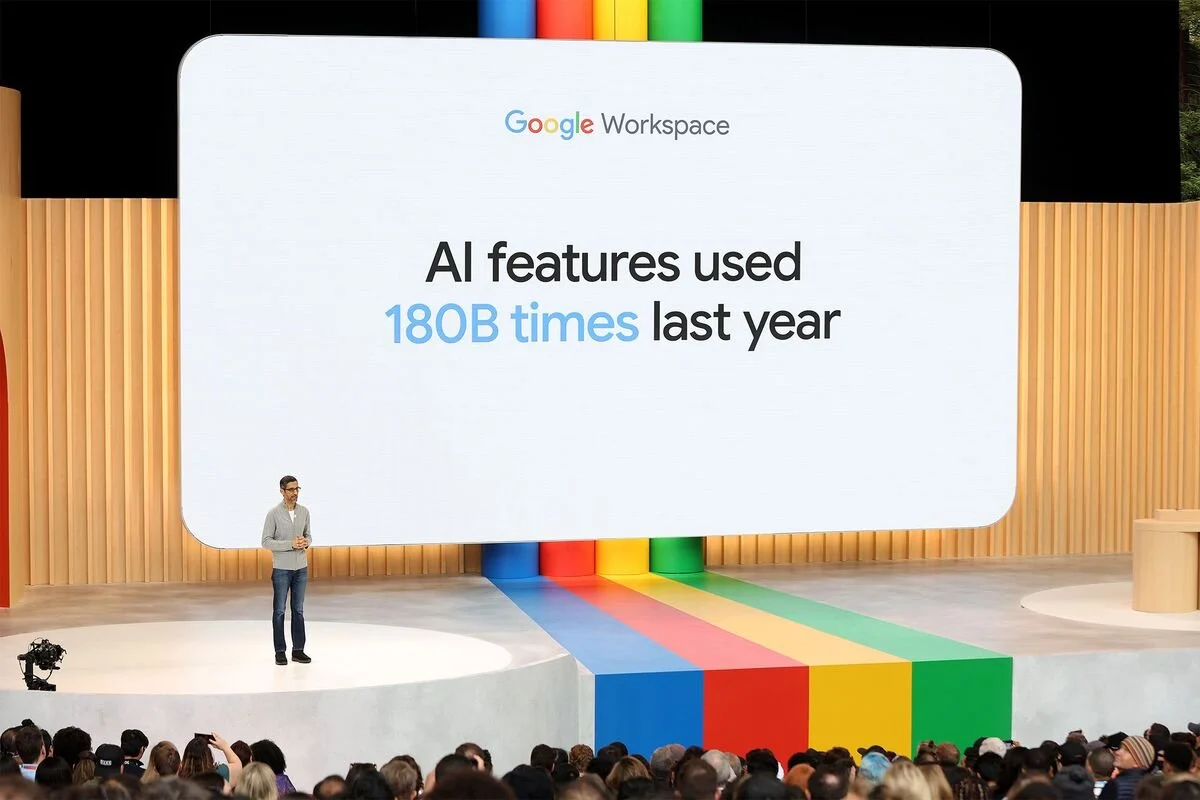
Helping Audiences Understanding AI Technology Thru Keynote Addresses
Artificial intelligence (AI) has impacted a number of sectors and how people live and work. Due to its amazing potential, keynote speeches given by thought leaders and industry experts frequently touch on AI. Understanding the AI technology used in keynote speeches may give you important information about the newest developments, patterns, and applications of AI. We shall examine the effect, potential, and prospective applications of AI technology in this article as it is presented in keynote speeches.

## Understanding the Foundations of AI
The field of computer science known as artificial intelligence, or AI for short, is devoted to the development of intelligent computers that are capable of carrying out activities that ordinarily call for human intellect. Speech recognition, decision-making, problem-solving, and learning are some of these responsibilities. Artificial intelligence (AI) simulates human-like intelligence in machines using a variety of methods, including machine learning, natural language processing, and computer vision.
The Development of AI Technology ##
Since its start, AI technology has advanced significantly. AI has made enormous strides from its early phases, defined by rule-based systems and expert systems, to the contemporary period of deep learning and neural networks. Keynote presentations frequently focus on the development of AI technology, showing how it progressed from simple rule-based algorithms to sophisticated neural networks that can process enormous volumes of data and derive insightful conclusions.
## The Effect of AI on Industries
Diverse sectors are affected by AI, which transforms business models, boosts productivity, and fosters innovation. The transformational benefits of AI in industries including healthcare, banking, manufacturing, and transportation were highlighted by keynote speakers. For instance, AI has made it possible to provide effective patient care, early illness diagnosis, and individualized therapy in the field of healthcare. Similar AI-powered algorithms are used in finance to assess market trends, enhance investment plans, and spot fraudulent activity.
## Unleashing Machine Learning's Full Potential
A crucial part of AI is machine learning, which focuses on creating algorithms and models that can learn from data and make predictions or judgments. The importance of machine learning in the development of AI is frequently emphasized in keynote addresses. Machine learning enables AI systems to continuously improve their performance, adapt to new knowledge, and improve decision-making processes through the use of big datasets and complex algorithms.
Deep Learning: A Development in AI
A branch of machine learning called deep learning has attracted a lot of interest lately. In order to identify patterns and extract useful representations from complicated data, it entails training artificial neural networks with numerous layers. The transformational potential of deep learning in a variety of fields, including image identification, natural language processing, and autonomous vehicles, is covered by keynote speakers. Deep learning algorithms have excelled in tasks like speech recognition, language translation, and picture categorization.
## Natural Language Processing: Bridging the Human-Computer Gap
The goal of natural language processing (NLP) is to make it possible for computers to comprehend, analyze, and produce human language. In AI applications that entail interactions between robots and humans, it is essential. The breakthroughs in NLP, such as sentiment analysis, language translation, chatbots, and virtual assistants, were discussed in keynote addresses. These technological advancements are transforming customer service, information retrieval, and inter-machine communication.
## Ethics in the Development of AI
Ethical issues are more crucial as AI technology develops. The ethical issues surrounding AI, such as privacy concerns, prejudice in algorithms, and the possible influence on employment, are frequently discussed in keynote addresses. It is essential to make sure that AI is created and applied in a fair, open, and responsible manner. The proper use of AI must be governed by ethical frameworks and laws, which also help to reduce any dangers or unfavorable effects.
## AI's Contribution to Improving Cybersecurity
In today's digital environment, cybersecurity is a major topic, and
AI has become a useful weapon in the fight against cyberthreats. Keynote lectures emphasize how AI may be used to discover abnormalities in network traffic, detect and prevent cyber threats, and improve incident response. Large-scale data analysis, the detection of trends indicating harmful activity, and preemptive defense against cyber attacks are all possible using machine learning algorithms. Cybersecurity solutions that use AI have the potential to drastically improve defenses and safeguard critical data.
The Future of Work and AI
Various sectors' adoption of AI has spurred questions about how technology will affect the nature of labor in the future. Keynote addresses examine the evolving work market dynamics and emphasize how AI might supplement human talents rather than replace them. Although keynote speakers stress the significance of upskilling and reskilling the workforce to adapt to the changing demands of the AI-driven age, certain repetitive and monotonous occupations may be automated by AI systems.
## Overcoming AI Adoption Challenges
Despite the many advantages AI may provide, implementing and using it can be difficult. Keynote speeches explore solutions to these problems and offer insights into them. In order for enterprises to fully utilize the potential of AI, problems with data quality, a shortage of qualified workers, and integration difficulties are discussed. These problems are also addressed, along with suggestions for how to get around them.
The Confluence between AI and IoT
The network of linked objects that can exchange data and interact is known as the Internet of Things (IoT). The confluence of AI and IoT is frequently discussed in keynote addresses, with an emphasis on how AI algorithms can handle the enormous volumes of data produced by IoT devices and derive useful insights. Intelligent automation, predictive maintenance, and improved decision-making are all made possible by the synergy of AI and IoT across a variety of industries, including manufacturing, smart cities, and healthcare.
Using AI to Revolutionize Patient Care in Healthcare
Keynote lectures explore AI's possible uses in the healthcare industry. AI has enormous potential to change this industry. Artificial intelligence (AI)-powered technologies are revolutionizing patient care, from early illness detection and diagnosis to individualized treatment strategies. The application of machine learning algorithms to assess medical pictures, forecast patient outcomes, and create precision medicine strategies is covered by keynote speakers. AI-driven solutions have the potential to increase the precision of diagnoses, enhance the efficacy of treatment plans, and ultimately save lives.
Robotics and AI: Increasing Automation
Automation has significantly advanced thanks to robotics and AI. The development of autonomous systems that are capable of carrying out difficult tasks is highlighted in keynote speeches that investigate the interface of AI and robotics. AI-powered robots are changing a variety of sectors, from self-driving vehicles to industrial automation. The integration of AI algorithms with robotic systems and its possible effects on productivity, efficiency, and safety were discussed in these keynote talks.
Understanding AI Fairness and Bias
The data that AI systems are taught on determines how objective they are. AI algorithms that are biased might provide unfair results and reinforce existing social prejudices. The significance of tackling AI bias and maintaining justice in algorithmic decision-making is emphasized in keynote addresses. They investigate methods for spotting and reducing bias in training data and the necessity of varied and inclusive datasets for enhancing the fairness of AI systems.
The Democratization of Innovation and AI
An important feature of AI technology is the democratization of invention. Keynote talks cover how, regardless of their technical proficiency, AI tools and platforms are becoming more and more available to people and businesses. People are being given the tools they need to experiment with, create, and utilize AI applications thanks to cloud-based AI services, open-source frameworks, and user-friendly interfaces. This democratization stimulates creativity, promotes teamwork, and makes it possible for a wider range of stakeholders to utilize AI's capabilities.
## Key Explainability Challenges in AI
Explainability becomes a critical issue as AI systems get more complex. The difficulties in comprehending and interpreting judgments produced by AI systems are highlighted in keynote addresses. In particular, deep learning models are sometimes referred to be "black boxes" because of their intricate internal workings.
. Building trust, ensuring accountability, and enabling people to understand the reasoning behind AI-driven decisions all depend on addressing the problem of AI explainability.
Marketing using AI and personalization
By enabling individualized and targeted advertising efforts, AI has completely changed the marketing industry. Keynote addresses examine how artificial intelligence (AI) systems examine a large quantity of consumer data to find trends, preferences, and behavior. Marketers can provide individualized experiences, provide pertinent product recommendations, and improve ad campaigns by utilizing machine learning. AI-enabled marketing solutions have the ability to improve consumer engagement, boost conversion rates, and promote company expansion.
## Trends and Predictions for the Future of AI
Keynote addresses frequently touch on the future of artificial intelligence. Keynote speakers talk about current developments and forecast the course of AI technology in the future. Explored topics include explainable AI, edge computing AI, reinforcement learning, and quantum AI. Keynote talks offer insightful perspectives on the problems, opportunities, and ethical issues that will influence the future of AI.
## FAQs
#1. How are career opportunities being impacted by AI technology?
By automating some activities and enhancing human talents, AI technology is changing the nature of the labor market. While AI may have an influence on some work categories, new possibilities are also opening up. Data science and AI engineering are two examples of AI-driven fields that are expanding significantly. Additionally, the development, use, and management of AI systems generates new job opportunities. Leveraging the promise of AI technology requires upskilling and adjusting to the shifting needs of the labor market.
2. Are AI systems subject to bias?
Yes, if taught on skewed or unrepresentative datasets, AI algorithms can become prejudiced. The data used for training can accidentally add bias, producing biased results in AI-driven choices. Addressing prejudice in AI algorithms is essential, as is ensuring equity and inclusion. Fairness in AI applications may be enhanced by employing techniques like varied and representative training datasets, careful feature selection, and routine system audits.
3. What ethical issues should be taken into account while developing AI?
Privacy issues, accountability, openness, and the effect on social welfare are some of the ethical issues that are taken into account when developing AI. The importance of developing and deploying AI responsibly is frequently emphasized in keynote addresses. The development and application of AI technology must be guided by ethical frameworks and laws. It is critical to make sure that ethical considerations are taken into account throughout the construction of AI systems and that any possible hazards and ramifications are fully considered and handled.
#4. How does AI enhance cybersecurity?
By boosting threat detection, automating incident response, and detecting irregularities in network traffic, AI is strengthening cybersecurity. Massive volumes of data may be analyzed by machine learning algorithms, which can then spot trends that can indicate hostile activity. AI-driven cybersecurity solutions can identify previously unidentified attack channels, reduce reaction times, and actively protect against cyber attacks. Organizations may improve their cybersecurity defenses and safeguard sensitive data by utilizing AI technology.
5. What part does AI play in healthcare?
AI has a big impact on healthcare, revolutionizing patient care and enhancing clinical results. The uses of AI in illness diagnosis, treatment planning, and medical image analysis are highlighted in keynote presentations. Algorithms for machine learning can examine medical data, spot trends, and provide tailored therapy suggestions. Telemedicine and remote patient monitoring are two examples of AI-driven technologies that increase access to healthcare services. AI has the power to completely change the way healthcare is provided, increase productivity, and perhaps save lives.
#6. How can businesses overcome obstacles to using AI?
AI adoption issues may be solved by organizations with smart planning and strategic methods. Keynote speeches frequently touch on the value of high-quality data, knowledgeable personnel, and successful integration techniques. Successful AI adoption may be facilitated by creating a solid data infrastructure, investing in AI talent and knowledge, and working with sector specialists. It is essential that organizations evaluate
their unique requirements, create a thorough AI strategy, and continually adjust to the changing AI field.
## Summary
Keynote talks on the deciphering of AI technology offer insightful information on its developments, effects, and hopes for the future. These presentations provide an in-depth overview of AI technology, covering everything from its basics to its applications in numerous fields. They shed light on the difficulties and moral issues surrounding the adoption of AI as well as the promise for AI to revolutionize the fields of healthcare, cybersecurity, marketing, and other areas. Understanding the AI technology discussed in keynote speeches enables people and businesses to navigate the AI-driven era and take advantage of its disruptive potential.