
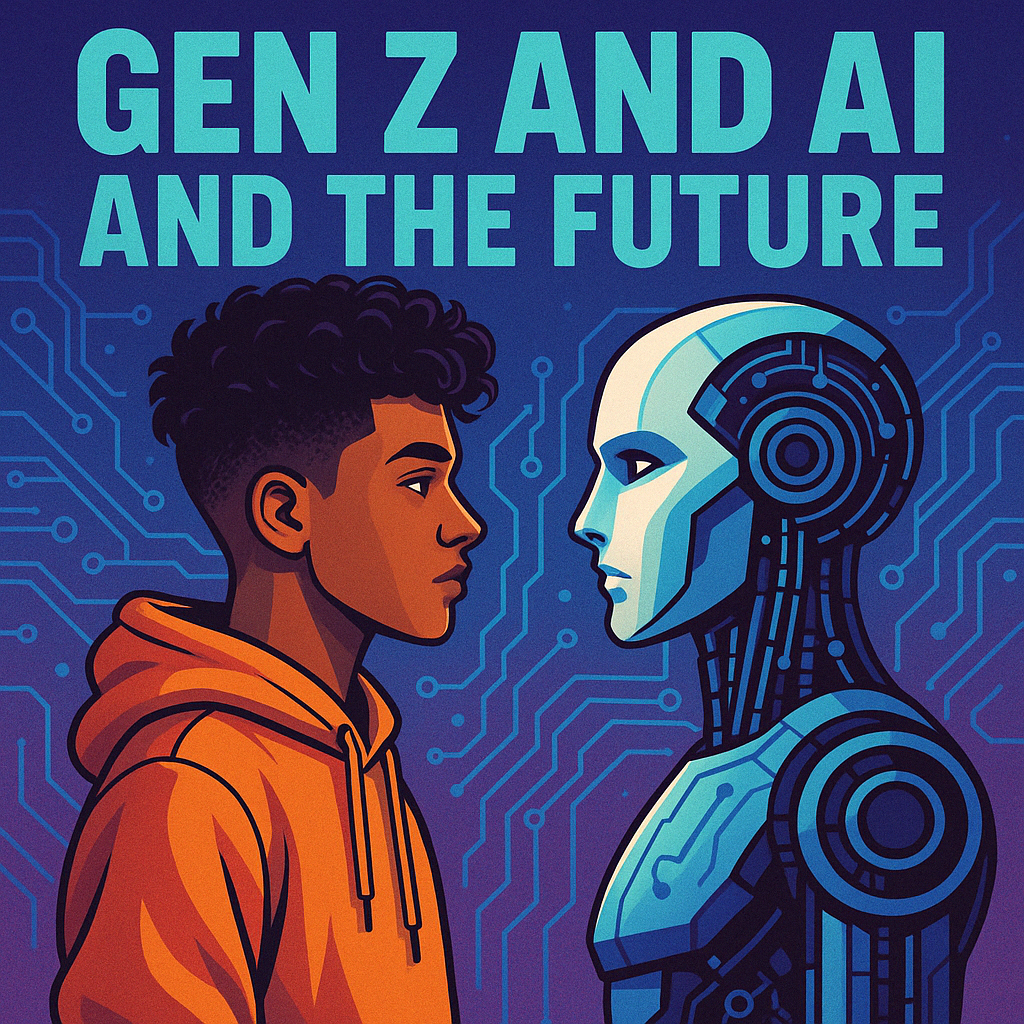
The Future Isn’t Coming It’s Here What Every Leader Must Know About AI and Gen Z
In today's fast-paced world, embracing AI is crucial. It offers tools to understand and engage with Gen Z effectively. This young cohort has grown up with technology and expects seamless digital interactions.
The future of leadership is already here. It's a blend of artificial intelligence (AI) and Generation Z (Gen Z).
It's not just about technology. It's about a new generation of consumers.
Gen Z, the digital natives, are now entering the workforce. They bring with them new expectations and behaviors.
AI, on the other hand, is revolutionizing how we do business. It's enabling personalized experiences and predictive insights.
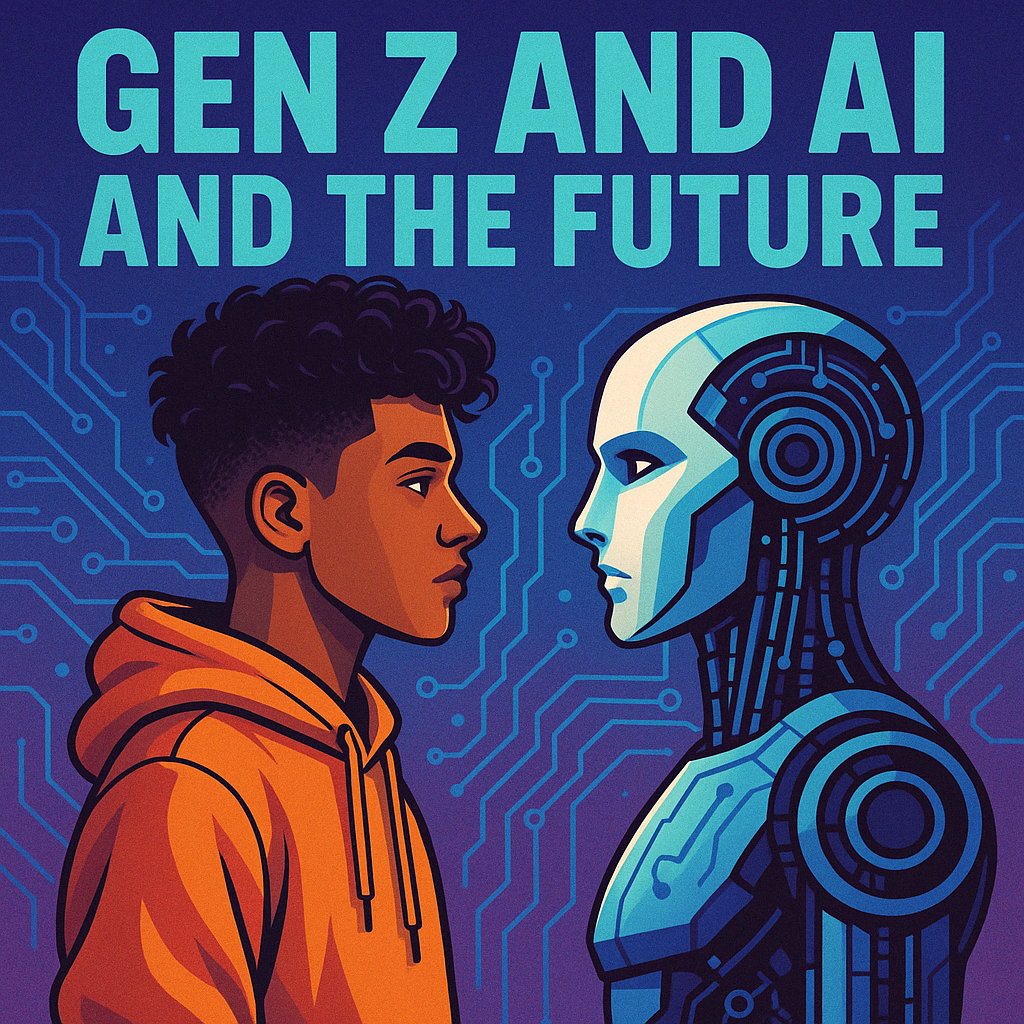
This article will guide you through this new landscape. It will provide actionable insights to help you leverage AI and Gen Z leadership. The goal? To build brand awareness, engage customers, and drive profitable growth. Let's dive in.
Embracing AI in the Age of Gen Z
In today's fast-paced world, embracing AI is crucial. It offers tools to understand and engage with Gen Z effectively. This young cohort has grown up with technology and expects seamless digital interactions.
AI enables businesses to meet these expectations by offering personalized experiences. Imagine predicting what a customer needs before they even ask. That is the power of AI.
Startups can leverage AI to streamline marketing efforts. Automated processes not only save time but also enhance accuracy. These efficiencies result in better resource allocation and sharper focus on strategic work.
AI also offers predictive insights that can forecast market trends. This foresight enables businesses to adapt quickly, staying ahead of competitors. It's a tool for not just understanding, but anticipating Gen Z's dynamic behavior.
Being tech-savvy is no longer an option but a necessity. Startups that incorporate AI into their strategies stand to benefit immensely. They will create more engaging, tailored experiences that Gen Z values.
Understanding Gen Z: The Digital Natives
Gen Z is unlike any generation before them. Born into a digital world, they are always connected. They navigate multiple platforms with ease and expect the same from brands.
To capture their attention, brands must be authentic and socially conscious. Traditional advertising methods fail to resonate with this group. Experiences and values matter more than just products.
Understanding Gen Z means recognizing their values and preferences. They value diversity, inclusion, and sustainability. Brands that align with these principles can earn their loyalty.
Real-time interaction is key to engaging this generation. Gen Z appreciates quick responses and hates waiting. For businesses, this means adopting agile strategies for communication.
AI: The Game Changer for Personalized Marketing
AI is transforming marketing from a one-size-fits-all approach to a tailored experience. It can analyze vast amounts of data to extract key insights. This analysis helps in creating personalized marketing strategies.
Imagine sending customized product recommendations based on previous purchases. AI can do that and much more. It's about delivering what the customer didn't know they needed.
Personalization goes beyond just recommendations. AI helps in crafting targeted email campaigns. It ensures that messages reach the right audience at the right time.
The use of AI in marketing also enhances customer service. Chatbots and virtual assistants are now sophisticated enough to handle complex queries. They offer support that is always available, meeting Gen Z's demand for instant gratification.
Incorporating AI into marketing strategies can boost ROI significantly. It optimizes resources and refines engagement strategies, yielding improved results. For startups, this can be a game changer in building a strong digital presence.
Innovative Leadership: Adapting to New Consumer Expectations
Innovative leadership is about embracing change and being forward-thinking. As consumer expectations evolve, leaders must adapt quickly. Gen Z prioritizes authenticity and social consciousness, requiring leaders to realign their strategies accordingly.
Fostering a culture of continuous learning is crucial. As new technologies and trends emerge, staying informed ensures competitiveness. Leaders who cultivate a learning environment inspire teams to innovate.
Technology plays a pivotal role in navigating new consumer landscapes. Utilizing digital tools to gather data and derive insights is imperative. Such tools aid in understanding shifting preferences and crafting responsive strategies.
Moreover, collaboration with Gen Z employees can provide valuable perspectives. Their insights into peer expectations can guide strategy development. By harnessing this youthful energy, leaders can forge stronger, more inclusive connections with consumers.
The Role of Youth Leadership in Shaping the Future
Youth leadership holds immense potential in driving change. Gen Z, entering the workforce, brings fresh ideas and perspectives. Their digital savviness makes them vital assets to any organization.
Empowering young leaders fosters innovation and creativity. They challenge the status quo and push boundaries. This dynamism is essential for addressing modern challenges.
Organizations must nurture these emerging leaders to realize their full potential. By offering opportunities for growth, companies can harness their unique insights. In doing so, they ensure a more adaptive and forward-thinking corporate culture.
Keynote Insights: Learning from the Experts
Listening to industry experts provides invaluable learning opportunities. Keynote speakers shed light on emerging trends in digital marketing. Their expertise can guide organizations in implementing successful strategies.
These speakers often emphasize the significance of AI and understanding Gen Z. Their insights help companies stay ahead of the curve. Adopting such wisdom enables more effective engagement with digital natives.
Furthermore, keynotes can inspire businesses to innovate. By learning from those who have succeeded, startups can refine their strategies. In a rapidly changing market, this knowledge is crucial for sustained growth.
Strategies for Engaging Gen Z
Successfully engaging Gen Z requires a nuanced approach. With their distinct preferences, brands must be agile and attentive. Understanding what resonates with this generation is key.
Social media is pivotal in reaching Gen Z audiences. It's where they spend a significant portion of their time, engaging with content. Therefore, a robust social media strategy is essential.
To connect meaningfully, brands should focus on authenticity and transparency. Gen Z values brands that align with their beliefs and values. Here are some strategies to consider:
Prioritize authentic storytelling to build connections.
Use AI tools for personalized content recommendations.
Engage with user-generated content to enhance community feel.
Real-time interactions can also enhance engagement levels. Gen Z expects quick responses and dynamic interactions. Implementing chatbots can ensure timely communication.
Finally, collaboration with Gen Z influencers can amplify reach. Influencers can lend credibility and foster a sense of relatability. They bridge the gap between brands and their target consumers.
Leveraging Social Media and Influencer Marketing
Social media platforms are a gateway to engage Gen Z consumers. They're interactive spaces where brands can showcase their personality. Utilizing these channels effectively can lead to increased brand loyalty.
Influencer marketing magnifies this effect. Gen Z trusts influencers' recommendations due to perceived authenticity. By partnering with the right influencers, brands can expand their reach and credibility.
For maximum impact, brands must align with influencers who reflect their values. Authentic partnerships resonate more with Gen Z. This alignment ensures that promotional content feels genuine and not forced.
Content Creation: Video, UGC, and AI-Generated Material
Video content remains a powerful tool for capturing Gen Z attention. Engaging and visually appealing videos can lead to higher engagement rates. Brands should focus on short, impactful videos to convey their messages.
User-generated content enhances brand trust and authenticity. Encouraging consumers to share their experiences fosters community. It's a genuine way for brands to engage and showcase real stories.
AI is revolutionizing content creation by offering new opportunities. AI tools can help generate personalized materials efficiently. This innovation allows brands to cater to Gen Z's desire for tailored experiences without extensive resource use.
Building Trust and Authenticity with Gen Z
Gen Z prioritizes authenticity in their interactions with brands. To build trust, companies must be transparent and genuine. This generation values honesty over polished advertising.
Establishing a community with shared values can enhance brand loyalty. Engaging directly with consumers fosters connections and encourages advocacy. Genuine interactions create a base for long-term relationships.
Consistency across all communication channels also strengthens trust. A unified brand voice makes businesses more relatable and credible. Consistent messaging reinforces the brand's identity, which resonates well with Gen Z.
Data Privacy and Ethical AI Usage
Gen Z is particularly concerned about data privacy. They value transparency regarding how brands use their data. Ensuring privacy practices are clearly communicated can foster trust.
Ethical use of AI is crucial in maintaining this trust. Brands should be transparent about AI's role in their operations. Providing clear information about data handling reassures Gen Z consumers.
Moreover, responsible AI usage involves respecting user data rights. Employing AI ethically ensures consumer protection. This respect for privacy is not just preferred but a baseline expectation for Gen Z.
Sustainability and Social Responsibility: Non-Negotiable for Gen Z
Sustainability is a significant consideration for Gen Z. They expect brands to take active roles in environmental conservation. Demonstrating commitment to sustainability can drive consumer engagement.
Social responsibility is equally vital. Gen Z supports brands that engage in socially conscious practices. These endeavors can differentiate brands in a crowded market.
Incorporating these values into brand strategy enhances appeal. It's not just a business choice; it's a demand from informed consumers. Brands that align with these principles can expect deeper loyalty from Gen Z.
Conclusion: The Intersection of AI and Gen Z Leadership
AI and Gen Z leadership are shaping the future of marketing. Together, they offer dynamic opportunities for those ready to adapt.
Startup founders who leverage these forces can achieve sustainable growth. Embracing these trends will unlock new realms of innovation and engagement.

Matt Britton's Keynotes on Gen Alpha: The First Generation Growing Up with AI in the Household and Its Implications for Brands
Matt Britton's keynotes explore the impact of Gen Alpha—the first generation growing up with AI in the household—and its implications for brands. As digital natives, Gen Alpha demands AI-powered personalization, seamless voice interactions, and ethical AI use. Britton provides actionable insights on how brands can leverage AI to engage this tech-savvy generation and build trust for long-term growth.
The rise of Generation Alpha—the cohort born from 2010 onward—marks a significant turning point in consumer behavior, technology adoption, and societal norms. As the first generation to grow up with artificial intelligence (AI) seamlessly integrated into their daily lives, Gen Alpha presents unique opportunities and challenges for brands. This tech-native generation interacts with AI from an early age, whether through voice-activated assistants like Alexa and Siri, AI-powered educational tools, or intelligent toys.

At the forefront of this conversation is Matt Britton, a thought leader and CEO of Suzy, a market research software platform. In his keynotes, Matt Britton dives deep into the implications of Gen Alpha’s upbringing with AI, providing brands with the critical insights they need to adapt and thrive. His talks explore the profound impact AI will have on this generation and how businesses must shift their strategies to engage, attract, and retain these future consumers.
This blog post will explore the key themes from Matt Britton's keynotes on Gen Alpha and AI, highlighting the implications for brands as they prepare for the new consumer landscape.
Who is Gen Alpha?
Generation Alpha refers to children born from 2010 to the mid-2020s. As the successors to Gen Z, they are the most tech-savvy generation yet, growing up in an environment where smart devices, AI-driven experiences, and constant connectivity are the norm. The defining characteristic of this generation is that they are the first to have AI integrated into nearly every aspect of their lives from birth. By 2025, Gen Alpha is expected to reach approximately 2 billion individuals worldwide, creating a massive demographic for brands to engage with.
As Matt Britton explains in his keynotes, Gen Alpha’s familiarity with technology and AI will have far-reaching implications for their behavior, values, and expectations. Understanding these shifts is critical for brands aiming to connect with this emerging generation.
Key Characteristics of Gen Alpha and Their Relationship with AI
In his keynotes, Matt Britton identifies several core characteristics of Gen Alpha that brands must be aware of as they develop their long-term strategies.
1. Digital Natives from Day One
Unlike previous generations, Gen Alpha has never known a world without smartphones, voice assistants, and AI-powered tools. This constant exposure to technology from a young age has made them digital natives with an intuitive understanding of how to interact with digital platforms. They expect seamless, on-demand experiences and are highly proficient in navigating AI-driven environments.
For brands, this means creating digital experiences that are intuitive, frictionless, and highly engaging. Gen Alpha will be quick to dismiss brands that fail to meet their expectations for user experience and personalization. Brands that leverage AI to provide real-time, personalized experiences will be the ones that capture the attention of this tech-native generation.
2. AI as a Learning Companion
AI isn’t just a novelty for Gen Alpha—it’s a learning tool. From smart educational apps to AI-powered tutors, Gen Alpha is growing up with AI as a fundamental part of their learning process. As AI becomes more integrated into educational systems, this generation will have a deep understanding of how to harness AI for problem-solving, creativity, and skill development.
Matt Britton emphasizes that brands must consider how AI can be integrated into products and services to support this generation's growth. Whether it’s AI-driven educational platforms or interactive learning experiences, brands that align with Gen Alpha’s educational journey will build strong connections with both children and their parents.
3. Seamless Interaction with Voice and Visual AI
Voice assistants like Alexa, Siri, and Google Assistant are more than just household conveniences for Gen Alpha—they’re a normal part of their environment. This generation will be comfortable interacting with AI through voice and visual interfaces, expecting immediate responses and seamless interactions.
Brands must prepare for this shift by optimizing their experiences for voice search and voice-based interactions. Whether it's through creating AI-driven shopping experiences or voice-enabled customer service, businesses will need to adapt their strategies to meet the demands of a generation that prefers speaking to their devices rather than typing.
4. Personalization as a Standard Expectation
With AI embedded in their day-to-day experiences, Gen Alpha will come to expect highly personalized interactions from the brands they engage with. They won’t settle for one-size-fits-all solutions. From entertainment recommendations on streaming platforms to personalized shopping suggestions, AI-driven personalization will be the norm for this generation.
Matt Britton points out that for brands to succeed with Gen Alpha, they must invest in AI that allows them to deliver tailored content, products, and services at scale. Leveraging AI-powered recommendation engines, predictive analytics, and machine learning algorithms will be key to creating the hyper-personalized experiences that Gen Alpha expects.
5. Social and Environmental Consciousness
Growing up with access to vast amounts of information through AI and the internet, Gen Alpha will be acutely aware of global issues like climate change, social justice, and corporate ethics. They will demand transparency from brands and expect them to contribute to the betterment of society.
Britton emphasizes that brands must not only use AI to enhance their business operations but also to demonstrate their commitment to sustainability and ethical practices. AI can help companies reduce their carbon footprint, optimize supply chains, and ensure ethical sourcing—values that will resonate with Gen Alpha.
Implications of AI for Brands Targeting Gen Alpha
Matt Britton's keynotes provide valuable guidance for brands looking to position themselves for success with Gen Alpha. Here are some of the key implications of AI on this generation, and how brands can adjust their strategies:
1. AI-Powered Engagement
To engage Gen Alpha, brands must integrate AI across multiple touchpoints, providing a seamless and engaging digital experience. AI can be used to enhance mobile apps, create interactive games, and develop immersive shopping environments. For instance, AI-driven augmented reality (AR) and virtual reality (VR) experiences will be especially appealing to this generation, allowing them to explore products and environments in new ways.
2. Personalized Experiences at Scale
With Gen Alpha's demand for personalized experiences, AI will be indispensable for delivering customized content. Brands must harness machine learning and predictive analytics to better understand consumer behavior and create personalized marketing campaigns, product recommendations, and customer service interactions.
For example, using AI-powered chatbots and virtual assistants will enable brands to provide Gen Alpha with instant support and personalized shopping experiences, enhancing brand loyalty and engagement.
3. AI-Enhanced Education
As educational technology continues to evolve, brands that create AI-powered educational tools and platforms will win the favor of both Gen Alpha and their parents. From AI-driven tutoring apps to interactive learning platforms, brands have an opportunity to support this generation’s educational growth by integrating AI into their products and services.
4. Optimizing for Voice Search and Voice Commerce
With Gen Alpha’s familiarity with voice assistants, brands must optimize their digital presence for voice search. This includes adjusting SEO strategies to focus on natural language queries and creating voice-enabled shopping experiences. As voice commerce grows in popularity, brands that make it easy for Gen Alpha to search, browse, and purchase through voice commands will gain a significant competitive edge.
5. Building Trust Through Ethical AI Use
Gen Alpha’s focus on sustainability and ethics means that brands will need to use AI responsibly. This generation will demand transparency in how their data is used and expect brands to leverage AI for the greater good. Businesses can use AI to monitor their supply chains, reduce waste, and ensure ethical practices, thereby building trust and loyalty with Gen Alpha.
Actionable Steps for Brands
To prepare for Gen Alpha’s emergence as a key consumer demographic, brands must take actionable steps today to integrate AI into their strategies. Here are a few takeaways from Matt Britton’s keynotes:
Invest in AI-Powered Personalization: Start leveraging AI to deliver personalized experiences across digital platforms, tailoring content, products, and services to each consumer.
Optimize for Voice Search: With Gen Alpha’s reliance on voice assistants, ensure your brand is discoverable through voice search and provide voice-activated shopping and service options.
Integrate AI into Educational Tools: Align your products or services with Gen Alpha’s educational journey by incorporating AI-powered learning solutions into your offerings.
Prioritize Ethical AI Use: Build trust by using AI responsibly. Be transparent about how data is collected and used, and demonstrate a commitment to sustainability and ethical practices.
Conclusion
As Gen Alpha matures, their expectations of brands will be shaped by their relationship with AI. Matt Britton’s keynotes highlight the importance of preparing for a future where AI is central to every consumer interaction. Brands that understand and adapt to Gen Alpha’s unique characteristics—especially their fluency with AI—will be well-positioned to thrive in a rapidly evolving market. By investing in AI-driven experiences, personalization, and ethical practices, businesses can build long-term loyalty with this new generation of consumers.

How Matt Britton’s Keynotes on 2025 Consumer Trends Show Brands How to Leverage AI for Growth
In today’s rapidly evolving business landscape, brands must keep up with consumer behavior shifts, technological advancements, and market demands. One of the leading voices in this space, Matt Britton, has been at the forefront of discussing the impact of 2025 consumer trends on brand growth and AI adoption. As a best-selling author, serial entrepreneur, and CEO of Suzy, a market research software platform, Matt is uniquely positioned to deliver thought-provoking keynotes that help businesses understand the future of consumer behavior and the role artificial intelligence (AI) will play in driving success.

In his keynote speeches, Matt dives deep into the intersection of consumer behavior and AI, providing actionable insights for brands looking to capitalize on future trends. The growing influence of AI on consumers and the evolving ways businesses can leverage this technology is central to his discussions. By focusing on 2025 consumer trends, Matt helps brands stay ahead of the curve and navigate the complexities of integrating AI into their marketing, product development, and customer service strategies. This post explores the key themes and insights from Matt Britton’s keynotes on AI-driven consumer trends and what they mean for brands aiming to achieve growth in the coming years.
Understanding the 2025 Consumer
The consumer landscape in 2025 is set to be drastically different from what we know today. With technological advancements accelerating at a breakneck pace, consumers will expect hyper-personalized experiences, instant access to products and services, and seamless integration of digital and physical touchpoints. In his keynotes, Matt Britton emphasizes the need for brands to stay in tune with these shifting consumer expectations. He predicts that the 2025 consumer will be:
Hyper-Connected: The widespread adoption of 5G, IoT devices, and faster internet speeds will make consumers more connected than ever. Brands will need to deliver real-time interactions and solutions that meet the needs of always-on, always-connected consumers.
Data-Savvy: Consumers in 2025 will become more aware of the value of their personal data and will expect brands to use that data ethically and transparently. AI will play a critical role in enabling brands to analyze and leverage data in ways that benefit both the consumer and the business.
Experience-Driven: In a world of increasing choices, consumers will prioritize brands that offer the most immersive and memorable experiences. AI-powered tools like virtual reality (VR), augmented reality (AR), and personalization engines will allow businesses to create these experiences at scale.
Demanding of Sustainability and Ethics: As younger generations continue to prioritize sustainability and corporate responsibility, brands will need to demonstrate their commitment to these values through their actions and communications. AI can be used to monitor supply chains, reduce waste, and ensure ethical practices are upheld.
The Role of AI in 2025 Consumer Trends
AI is already transforming how businesses operate, but by 2025, it will become a critical enabler of brand success. Matt Britton’s keynotes highlight several key areas where AI will be indispensable for brands looking to stay competitive and drive growth.
1. AI-Driven Personalization
One of the most important trends Matt discusses is the growing demand for personalized experiences. By 2025, consumers will expect brands to anticipate their needs and deliver tailored content, products, and services at the right time and place. AI will play a central role in achieving this level of personalization by analyzing vast amounts of consumer data in real-time.
AI-powered recommendation engines, for example, will enable brands to deliver highly relevant product suggestions to consumers, increasing both engagement and conversion rates. Additionally, AI will allow for personalized communication through chatbots, email marketing, and other digital channels, ensuring that consumers receive messaging that resonates with their preferences and behaviors.
2. AI for Customer Experience Enhancement
Another major focus of Matt Britton’s keynotes is the role of AI in enhancing the customer experience. In 2025, consumers will demand instant, efficient, and seamless interactions with brands. AI will enable companies to meet these expectations by providing automated customer service, intelligent virtual assistants, and predictive analytics that help brands solve problems before they arise.
For example, AI-powered chatbots will be able to handle complex customer inquiries, reducing wait times and improving satisfaction. Meanwhile, AI-driven analytics will help brands identify potential pain points in the customer journey and proactively address them, leading to higher retention rates and stronger customer loyalty.
3. AI-Powered Market Research and Consumer Insights
In his role as CEO of Suzy, Matt Britton has firsthand experience with how AI can revolutionize market research and consumer insights. In his keynotes, he emphasizes how brands will need to leverage AI-powered research tools to stay ahead of consumer trends and make data-driven decisions.
By 2025, traditional methods of gathering consumer insights, such as focus groups and surveys, will be augmented or even replaced by AI-powered platforms that can analyze social media, online reviews, and other digital data in real-time. This will enable brands to identify emerging trends, understand shifting consumer preferences, and tailor their strategies accordingly.
Additionally, AI will allow for faster and more accurate sentiment analysis, helping brands gauge public perception of their products and services more effectively. This data-driven approach will be essential for businesses looking to create relevant and impactful marketing campaigns.
4. Automation and Efficiency
As AI continues to advance, it will also play a crucial role in improving operational efficiency for brands. In his keynotes, Matt discusses how AI can automate repetitive tasks, streamline supply chains, and optimize marketing campaigns, allowing businesses to focus on more strategic initiatives.
For example, AI-powered tools can automate content creation by generating personalized emails, social media posts, and even blog content based on consumer data. In addition, AI can optimize ad targeting and budget allocation, ensuring that brands are getting the most out of their marketing spend.
By leveraging AI to handle time-consuming tasks, brands will be able to allocate more resources toward innovation and customer-centric initiatives, ultimately driving growth.
Actionable Insights for Brands
One of the key takeaways from Matt Britton’s keynotes is the importance of staying agile and embracing change. Brands that want to thrive in 2025 and beyond need to start preparing now by integrating AI into their operations, marketing strategies, and customer experiences. Here are a few actionable steps brands can take:
Invest in AI-Powered Tools: Brands should start by evaluating their current technology stack and identifying areas where AI can drive efficiencies, enhance personalization, and improve customer experiences. This might include investing in AI-powered chatbots, recommendation engines, or market research platforms.
Leverage Data to Create Personalized Experiences: Personalization will be a key differentiator in 2025, and brands must leverage AI to analyze consumer data and deliver tailored content, products, and services. This includes creating personalized marketing campaigns, product recommendations, and customer service interactions.
Enhance Customer Service with AI: To meet the demands of 2025 consumers, brands should incorporate AI-powered virtual assistants and chatbots to provide instant support and handle routine inquiries. This will improve customer satisfaction and free up human agents to focus on more complex tasks.
Embrace Sustainability and Ethics: Consumers in 2025 will expect brands to take a stand on sustainability and ethical practices. Brands can use AI to monitor their supply chains, reduce waste, and ensure transparency in their operations.
Stay Ahead of Trends with AI-Powered Insights: Market research will be more important than ever in 2025. Brands should leverage AI to analyze consumer behavior, identify emerging trends, and adapt their strategies accordingly.
As the world moves toward 2025, businesses must be prepared to navigate an increasingly complex and competitive landscape. Matt Britton’s keynotes provide invaluable insights into how brands can leverage AI to drive growth, enhance customer experiences, and stay ahead of consumer trends. By understanding the evolving expectations of the 2025 consumer and adopting AI-powered solutions, brands can position themselves for long-term success in a rapidly changing market.